
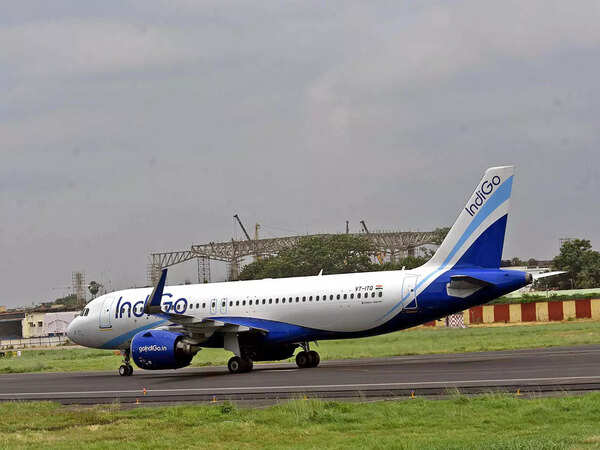
India’s airline industry stands at a decisive moment. Strong passenger demand, expanding infrastructure, and ambitious fleet growth are reshaping the sector. Rising incomes, a growing middle class, and improved air connectivity have made flying more accessible across the country. As a result, the future of airlines in India looks promising, but it also demands careful responsibility.
Domestic travel continues to anchor the market, while international traffic is rising steadily. Indian carriers are expanding their global footprint, positioning the country among the world’s fastest-growing aviation markets.
Rapid Growth and Fleet Expansion
Fleet expansion has become a defining trend. Indian airlines have placed large aircraft orders to meet rising demand, modernise fleets, and improve fuel efficiency. New carriers are entering the market, while regional operators are expanding routes to underserved destinations.
This rapid scale-up reflects confidence in long-term growth. However, it also increases pressure on operations, crew availability, maintenance systems, and service delivery. The future of airlines in India will depend on how well this growth is managed.
Infrastructure and India’s Global Aviation Ambitions
India is strengthening its position as an emerging global aviation hub. The development of major airports such as Navi Mumbai and Jewar is expected to ease congestion and support long-haul operations.
Aviation also plays a critical role in tourism and MICE growth. Reliable connectivity, direct routes, and schedule integrity are essential for attracting global travellers and high-value business passengers. Airlines have become a strategic pillar of India’s tourism competitiveness.
Passenger Experience Under Pressure
Despite growth, 2025 exposed weaknesses in passenger experience. Travellers reported frequent delays, last-minute cancellations, and inconsistent communication during disruptions. Baggage delays and prolonged refund processes added to frustration.
Overcrowded terminals and stretched customer service teams further impacted passenger confidence. These challenges highlighted a widening gap between rapid capacity expansion and service quality.
Safety and Operational Resilience in Focus
Safety and resilience also came under scrutiny. India witnessed several aviation incidents during the year, including runway excursions, technical snags, emergency landings, bird hits, and ground-handling lapses.
While most incidents did not involve major casualties, they raised concerns about maintenance standards, crew fatigue, training adequacy, and operational pressure during rapid expansion. These issues underline the importance of reinforcing safety culture alongside growth.
Balancing Growth with Responsibility
Looking ahead, the future of airlines in India will hinge on balance. Growth alone will not define success. Airlines must invest in technology, strengthen safety systems, and prioritise staff training.
Transparent passenger communication, consistent service standards, and operational resilience will be critical. Airlines that focus on reliability and trust, alongside expansion, will be best positioned to lead the next phase of India’s aviation story.
The Road Ahead
India’s aviation market is set to grow further in the coming years. However, sustainable success will depend on responsible execution. Scale must be supported by strong planning, regulatory alignment, and human capital readiness.
Airlines that balance ambition with accountability will not only earn passenger confidence but also shape a resilient and credible aviation ecosystem for the future.