
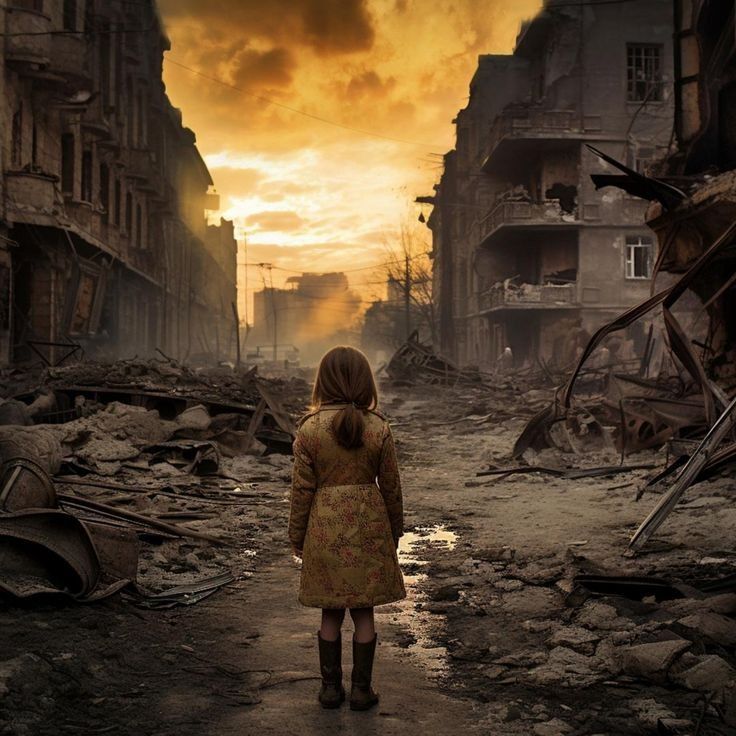
The ongoing conflict involving Iran has created a serious impact on global tourism, especially the MICE (Meetings, Incentives, Conferences, and Exhibitions) sector. The effects extend beyond one region, influencing global travel patterns, business confidence, and event planning worldwide.
For India, the impact is both direct and indirect. As a country closely connected to global markets, India faces changes in international travel, rising costs, and shifting event preferences. However, it also stands to benefit as companies search for stable and reliable destinations.
Air Travel Disruptions and Rising Costs
One of the most immediate effects appears in air travel. The Middle East serves as a key aviation hub connecting Europe, Asia, and Africa. With airspace restrictions and route changes, travel to and from India has become longer, more expensive, and less predictable.
This situation creates challenges for international delegates attending events in India. It also affects Indian corporates planning overseas travel.
Additionally, the financial impact is becoming visible. Higher airfares, increased logistics costs, and uncertainty are making MICE events more expensive. As a result, organisations may reduce event sizes, delay decisions, or limit participation.
Declining Tourist Confidence and Changing Preferences
Tourist confidence has also taken a hit. Travellers are avoiding not only conflict zones but nearby regions due to safety concerns. This shift impacts inbound MICE tourism in India, as global participants become more cautious.
At the same time, Indian companies are rethinking outbound travel plans. Businesses are increasingly prioritising safety, cost-efficiency, and predictability.
Opportunities for India as a Global MICE Destination
Despite these challenges, there is a strong opportunity for India. Cities like Delhi, Mumbai, and Bengaluru offer world-class infrastructure for conferences and exhibitions.
As global planners move events away from conflict-affected regions, India can position itself as a safe and cost-effective alternative. This shift can strengthen India’s presence in the global MICE industry.
Growth of Domestic MICE and Hybrid Events
Domestic MICE within India is also expected to grow. Companies are likely to increase meetings, incentives, and conferences within the country instead of travelling abroad.
This trend will boost demand for hotels, venues, and event services. It will also strengthen the domestic MICE ecosystem.
Another noticeable shift is in event planning. Organisations are becoming more cautious and adopting hybrid formats, where part of the audience joins online. While this ensures continuity, it also changes the traditional experience of large international events.
A Sector in Transition
In conclusion, the Iran conflict is influencing India’s MICE and tourism industry through travel disruptions, rising costs, and changing business behaviour. However, it also presents a significant opportunity.
By strengthening its domestic market and positioning itself as a stable global destination, India can emerge stronger in uncertain times.
👉 Check out the April Issue on our website’s magazine page.