

India’s rise as a global economic powerhouse depends on more than manufacturing capacity, infrastructure development, or technological innovation. It increasingly depends on something that powers every factory, data centre, logistics network, and industrial corridor: energy.
As the world’s third-largest energy consumer, India stands at a critical crossroads. Rapid industrialisation, urbanisation, digital transformation, and infrastructure expansion are driving unprecedented energy demand. At the same time, geopolitical conflicts, supply chain disruptions, and commodity price volatility have exposed the vulnerabilities faced by energy-importing nations.
For India, energy security is no longer simply an environmental concern. It has become an economic, industrial, and strategic imperative.
Why Energy Security Matters More Than Ever
Recent global events have demonstrated how quickly international energy markets can influence domestic economies. Sudden spikes in oil and gas prices affect manufacturing costs, transportation expenses, inflation levels, and overall business competitiveness.
For a country pursuing ambitious initiatives such as Make in India and Viksit Bharat 2047, dependence on imported energy creates risks that extend far beyond fuel bills. It directly impacts industrial productivity, investment confidence, and long-term economic stability.
Experts increasingly argue that energy resilience should now be viewed as a core pillar of India’s growth strategy. Nations that can secure reliable, affordable, and sustainable energy supplies will be better positioned to compete in the global economy.
Energy Security Is National Security
The conversation around renewable energy has evolved significantly over the past decade.
What was once primarily viewed through the lens of climate action is now increasingly linked to national competitiveness, economic stability, industrial growth, and strategic autonomy.
A resilient energy ecosystem protects industries from external shocks while ensuring predictable energy costs for long-term investments. It also strengthens supply chains, supports employment generation, and enhances investor confidence.
For India, the transition towards non-fossil fuel energy sources is therefore not just an environmental objective. It is part of a broader economic transformation agenda.
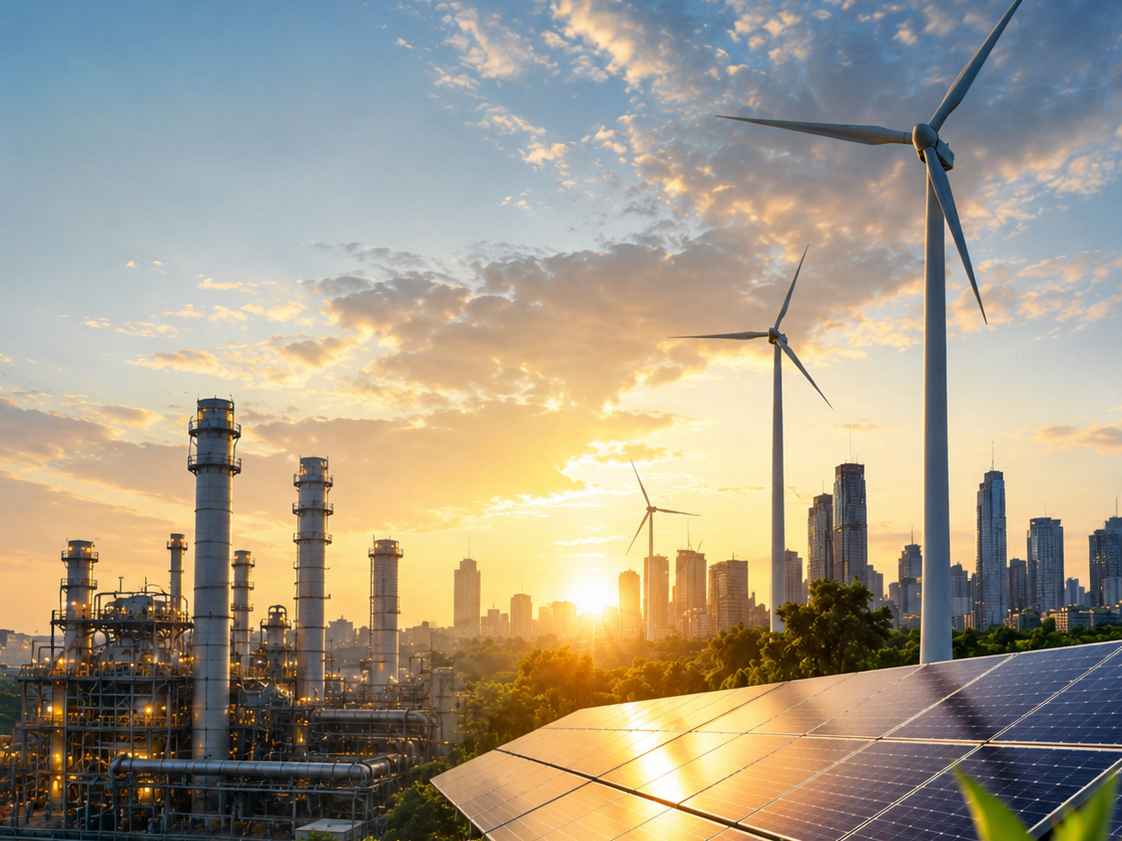
India’s Growing Non-Fossil Fuel Opportunity
India has already emerged as one of the world’s most promising clean energy markets. Significant investments in solar, wind, hydroelectric power, biomass, nuclear energy, and emerging green hydrogen technologies are reshaping the country’s energy landscape.
This shift offers several strategic advantages.
Reduced dependence on imported fossil fuels can improve energy sovereignty and reduce exposure to international price fluctuations. Renewable energy also provides greater long-term cost predictability, helping businesses plan investments more effectively.
Equally important, the transition is creating new opportunities in manufacturing, technology development, engineering, operations, and clean energy innovation.
As global investors increasingly prioritise sustainability and ESG-focused businesses, India’s clean energy transformation is also becoming a key driver of investment attraction.
The Untapped Potential of Energy Efficiency
While renewable energy often dominates policy discussions, experts believe energy efficiency may represent one of India’s largest untapped opportunities.
Simply put, the cheapest unit of energy is the one that never needs to be generated.
Industrial energy efficiency measures such as smart energy management systems, industrial automation, high-efficiency equipment, waste heat recovery, process optimisation, and digital monitoring technologies can significantly reduce operational costs while lowering emissions.
For businesses, energy efficiency offers a rare win-win proposition. It improves productivity and profitability while supporting sustainability goals.
Many efficiency investments also deliver returns far faster than major infrastructure or capacity expansion projects, making them attractive for both large enterprises and MSMEs.
The Future of Industrial Competitiveness
As businesses adopt renewable energy systems, battery storage technologies, distributed generation, electric mobility solutions, and digital infrastructure, energy management is becoming increasingly sophisticated.
The next phase of industrial competitiveness will likely depend on an organisation’s ability to manage energy intelligently rather than simply consume it.
Industry leaders are increasingly exploring integrated energy management approaches that optimise multiple energy sources, improve reliability, reduce peak demand costs, and support decarbonisation goals.
In the future, successful enterprises may be defined not only by what they produce but also by how efficiently they manage and optimise their energy ecosystems.
Why Every Sector Must Pay Attention
The energy transition is no longer limited to power producers or heavy industries.
Its impact now extends across manufacturing, logistics, agriculture, healthcare, data centres, commercial real estate, hospitality, transportation, and technology services.
Every sector that depends on energy is becoming part of the transition.
Businesses that adapt early are likely to benefit from lower operating costs, stronger resilience, improved sustainability performance, and access to emerging global markets that increasingly prioritise environmental standards.
Those that delay may face growing competitive pressures in the years ahead.
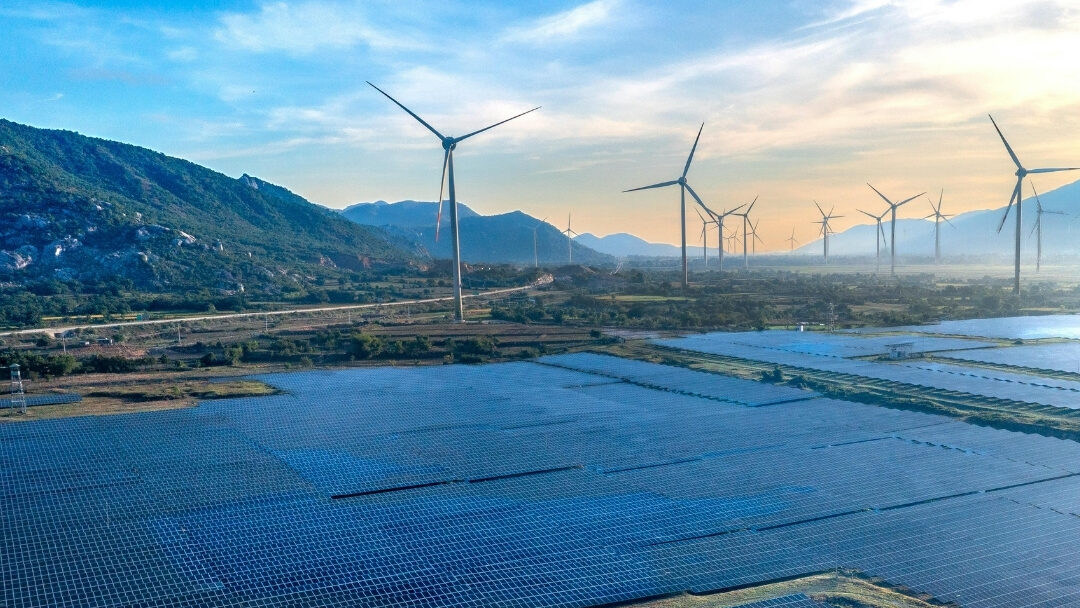
The Road to an Energy-Secure India
India’s ambition to become a multi-trillion-dollar economy requires an energy framework that is resilient, diversified, and future-ready.
Industry experts believe the path forward includes accelerating renewable energy deployment, expanding energy storage infrastructure, promoting green hydrogen adoption, strengthening grid modernisation, improving industrial energy efficiency, and increasing access to green finance.
Together, these initiatives can help create a more secure, competitive, and self-reliant industrial ecosystem.
Read the Full Cover Story
This article highlights some of the key themes from Bureaucracy India’s June 2026 Cover Story, India’s Energy Security Imperative: Why Industry Must Accelerate the Shift to Non-Fossil Fuels and Energy Efficiency by Ravi Nandan Sinha.
In the full cover story, readers can explore deeper insights on India’s energy vulnerabilities, industrial competitiveness, energy orchestration, renewable energy adoption, efficiency-led growth strategies, and the policy measures needed to strengthen India’s long-term energy security.
Read the complete cover story in the June 2026 edition of Bureaucracy India.