
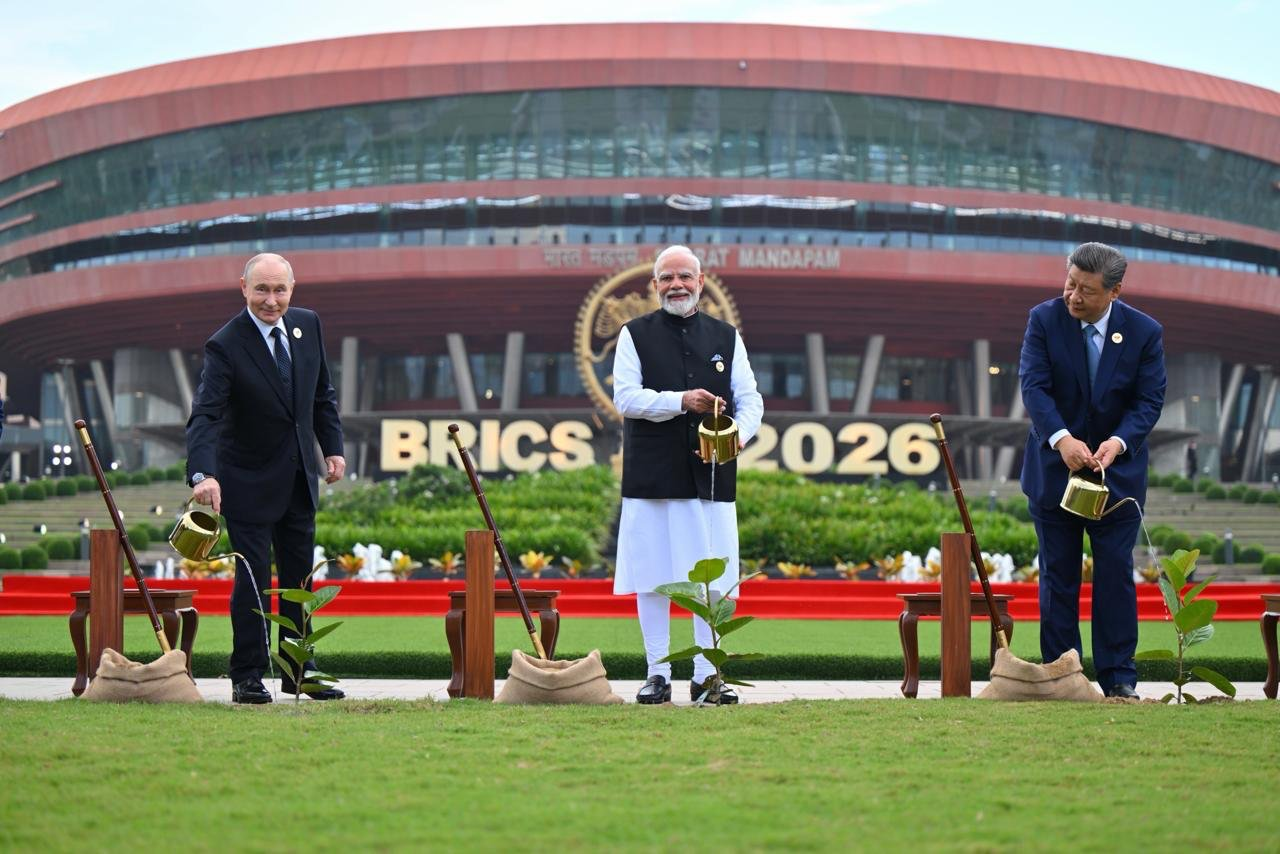
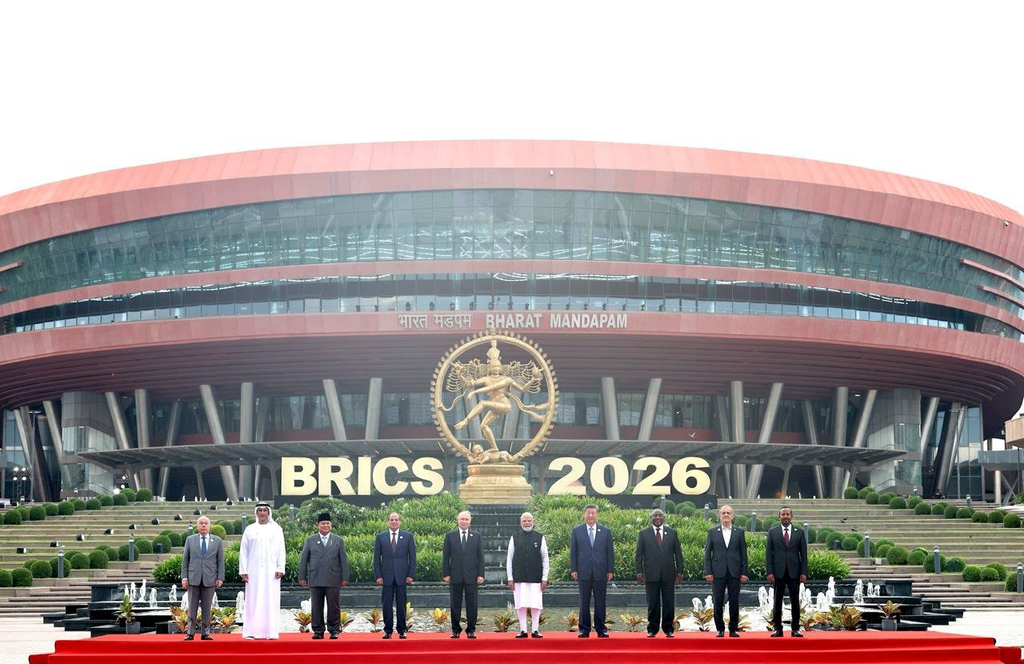
The BRICS Summit 2026 India hosted in New Delhi was more than a gathering of world leaders. It was an opportunity for India to demonstrate its growing diplomatic influence and reaffirm its commitment to representing the interests of the Global South. Over two days, leaders from BRICS member nations, partner countries, and international organisations discussed trade, artificial intelligence, climate action, development finance, health, and global governance. The summit also showcased India’s ability to convene diverse nations around common priorities.
While the Delhi Declaration outlined the bloc’s collective vision, the summit also highlighted India’s role as a bridge between developed and developing economies. Consequently, the event strengthened India’s position as one of the leading voices in shaping the future of multilateral cooperation.
India at the Centre of Global Dialogue
Hosting the BRICS Summit placed India at the centre of one of the world’s most influential diplomatic platforms. The expanded BRICS grouping now represents a significant share of the global population, economic output, and energy resources. Therefore, India’s leadership during the summit carried both regional and global significance.
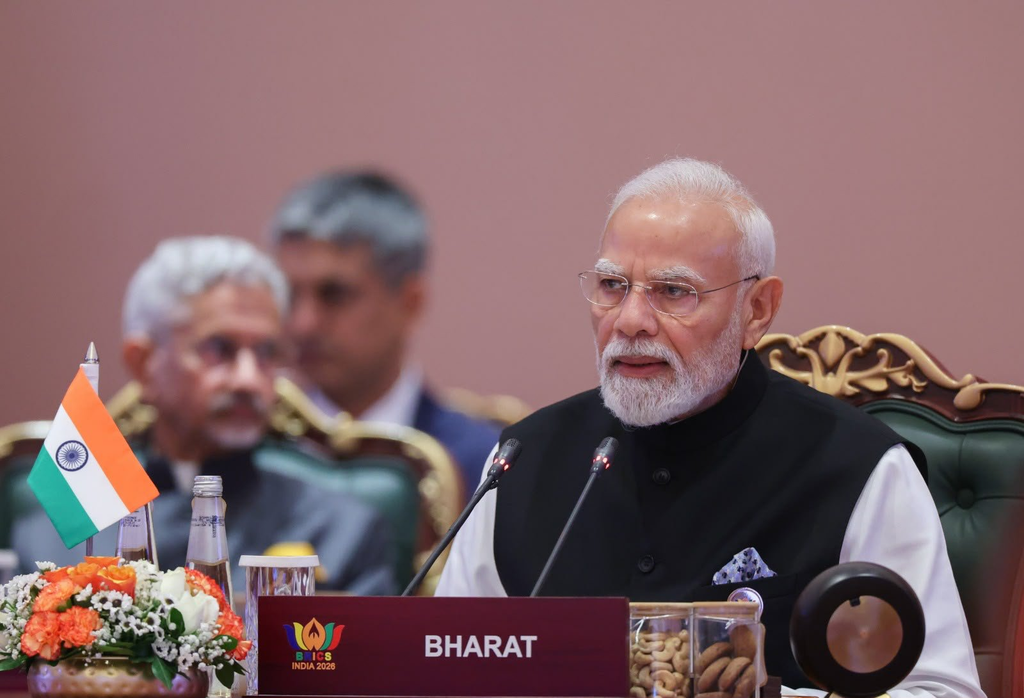
Prime Minister Narendra Modi used the platform to advocate for stronger multilateralism, inclusive development, and reforms of international institutions. Throughout the summit, India emphasised that emerging economies should have a greater role in global decision-making.
Giving a Stronger Voice to the Global South
One of India’s consistent foreign policy priorities has been amplifying the concerns of developing nations. The BRICS Summit reflected this approach by placing issues such as development finance, food security, healthcare, climate justice, and technology access at the centre of discussions.
India argued that global challenges cannot be addressed effectively without considering the needs of emerging and developing economies. As a result, the summit reinforced the idea that international cooperation should become more inclusive and representative.
Strengthening Economic Partnerships
Economic cooperation remained a major pillar of the summit. Discussions focused on expanding trade, improving investment flows, strengthening supply chains, and encouraging innovation.
India also highlighted the importance of digital public infrastructure, fintech, startup ecosystems, and resilient manufacturing. These sectors are expected to play an increasingly important role in strengthening economic partnerships among BRICS countries.
Furthermore, greater cooperation through the New Development Bank could support infrastructure projects and sustainable development across member nations.
Technology and Artificial Intelligence
India also emerged as a strong advocate for responsible technology governance. During the summit, leaders discussed artificial intelligence, cybersecurity, digital infrastructure, and innovation.
India emphasised that AI should be developed responsibly and should remain accessible to developing countries. It also encouraged collaboration in research, digital capacity building, and knowledge sharing.
This approach reflects India’s broader objective of ensuring that technological progress supports inclusive growth rather than widening existing inequalities.
A Platform for Strategic Diplomacy
Beyond multilateral discussions, the summit created opportunities for India to deepen bilateral relationships with countries across Asia, Africa, the Middle East, and Latin America.
Prime Minister Modi’s meetings with leaders from China, Russia, South Africa, Iran, Egypt, Ethiopia, the UAE, Malaysia, and several other nations helped strengthen cooperation in defence, trade, energy, connectivity, education, and technology.
These engagements demonstrated India’s ability to maintain constructive relationships with countries that have diverse political and strategic interests.
Why the Summit Matters Beyond Diplomacy
The BRICS Summit was not only about foreign policy. Its outcomes have broader implications for India’s economy, businesses, research institutions, and citizens.
Stronger trade partnerships can create new opportunities for Indian exporters. Increased cooperation in technology and innovation can support startups and research collaborations. Similarly, discussions on health, climate resilience, and sustainable development can contribute to long-term policy initiatives within the country.
Therefore, the summit’s impact extends beyond diplomatic statements and into areas that directly influence economic growth and development.
Challenges Ahead
Although the summit achieved several important outcomes, BRICS continues to face challenges. Member countries have different political systems, economic priorities, and strategic interests. Implementing collective decisions will require sustained dialogue and mutual trust.
In addition, geopolitical tensions and changing global economic conditions could influence the pace of future cooperation. Nevertheless, the summit demonstrated that member countries remain committed to strengthening collaboration despite these differences.
Looking Ahead
The BRICS Summit 2026 India concluded with a clear message that emerging economies are seeking a greater role in shaping global governance. For India, the summit reinforced its position as a trusted diplomatic partner capable of bringing together countries with diverse perspectives.
As BRICS continues to expand, India’s leadership is likely to become even more significant. The partnerships strengthened in New Delhi, along with the commitments outlined in the Delhi Declaration, could influence global discussions on trade, technology, climate action, development, and international cooperation for years to come.