
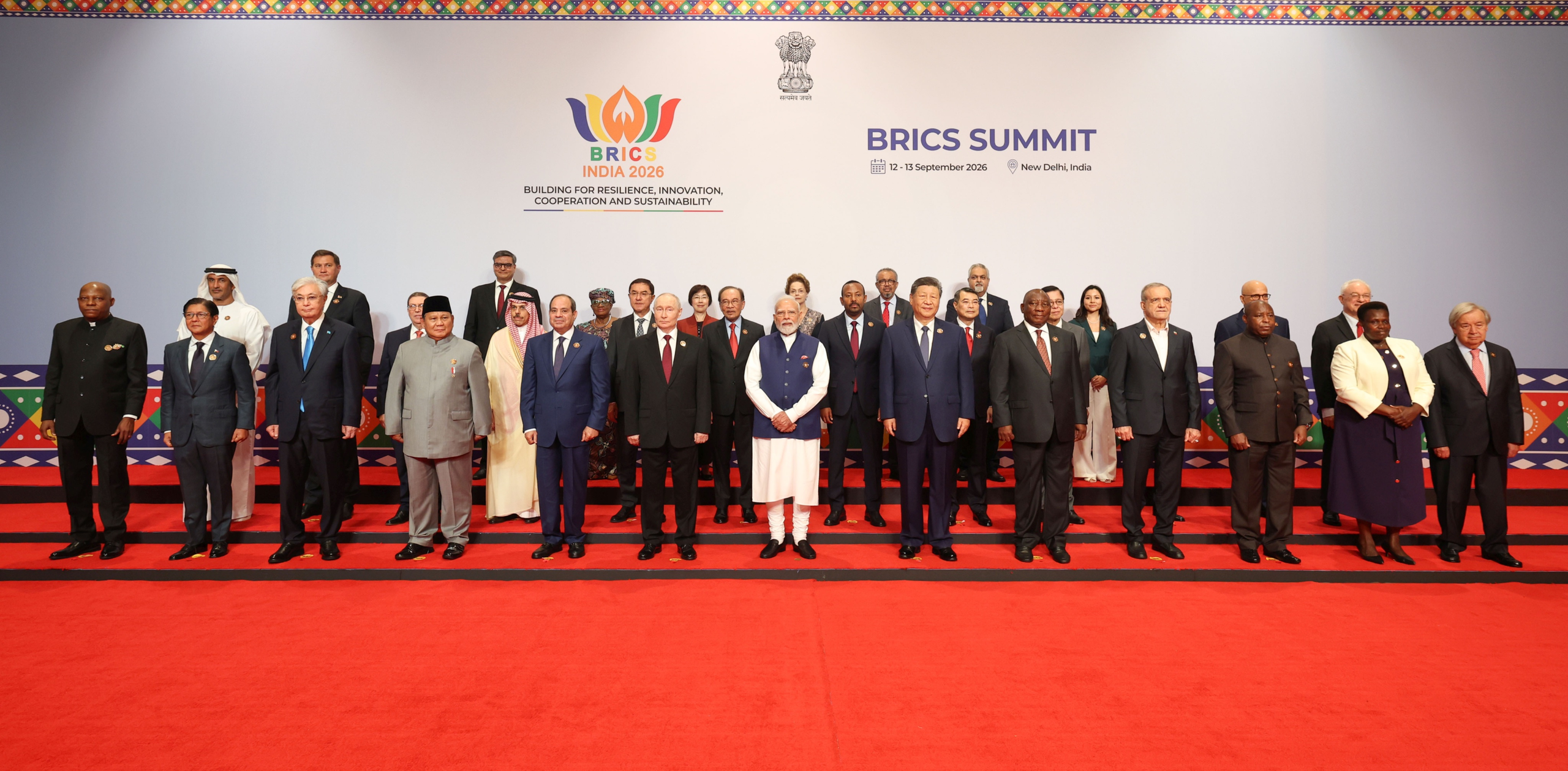
The PM Modi BRICS Bilateral Meetings became one of the defining highlights of the 18th BRICS Summit 2026 in New Delhi. Alongside the official summit sessions, Prime Minister Narendra Modi met several heads of state and government to strengthen India’s partnerships across Asia, Africa, Europe, Latin America, and the Middle East. These meetings covered trade, defence, technology, energy, connectivity, education, and regional security.
While the BRICS Summit focused on collective cooperation, these bilateral discussions helped convert diplomatic dialogue into country-specific partnerships. As a result, the summit became a major platform for advancing India’s foreign policy priorities beyond the BRICS agenda.
Meeting with Chinese President Xi Jinping
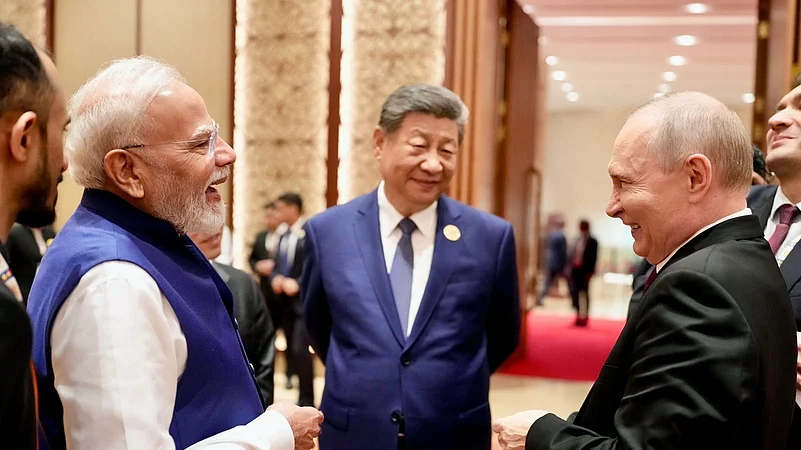
One of the most closely watched meetings took place between Prime Minister Modi and Chinese President Xi Jinping. The meeting was significant because it followed years of efforts to stabilise relations after border tensions.
Both leaders reviewed the progress made in improving bilateral engagement and agreed to maintain dialogue through diplomatic and military channels. They also discussed economic cooperation, people-to-people exchanges, and the importance of maintaining peace and stability along the Line of Actual Control.
Although differences remain, the meeting signalled a willingness to continue diplomatic engagement and strengthen communication.
Discussions with Russian President Vladimir Putin
Prime Minister Modi also held extensive talks with Russian President Vladimir Putin.
The two leaders reviewed progress in defence cooperation, energy security, nuclear collaboration, and trade. They reaffirmed their commitment to the India-Russia Special and Privileged Strategic Partnership while discussing new opportunities for investment and technology cooperation.
Energy remained a major focus, particularly in the areas of oil, gas, and civil nuclear collaboration. Both leaders also exchanged views on regional and global security issues.
Strengthening Ties with South Africa
During his meeting with South African President Cyril Ramaphosa, Prime Minister Modi discussed expanding cooperation in trade, digital technology, healthcare, mining, and skills development.
The leaders also explored opportunities to strengthen South-South cooperation and improve collaboration within multilateral institutions. Furthermore, they reaffirmed their shared commitment to promoting the interests of developing countries.
Meeting with Iran’s President
Prime Minister Modi’s discussions with Iranian President Masoud Pezeshkian focused on regional connectivity, trade, and energy cooperation.
The leaders reviewed progress on connectivity projects and discussed ways to improve economic engagement despite changing geopolitical conditions. They also exchanged views on regional peace and stability.
The meeting reflected India’s continued interest in maintaining constructive engagement with West Asian partners.
Expanding Cooperation with Egypt
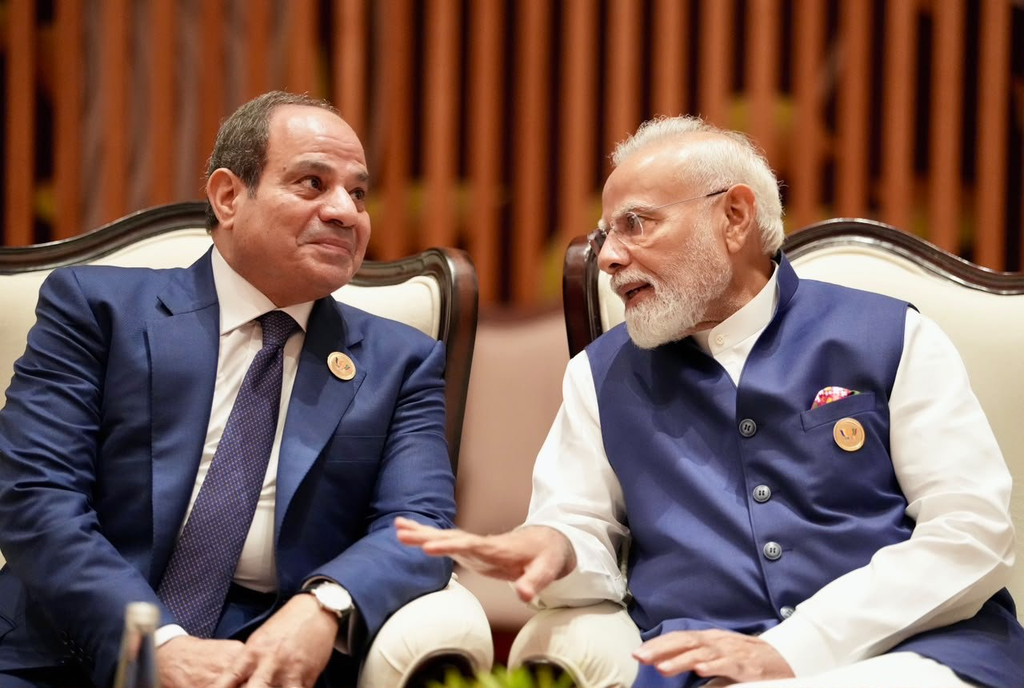
Another important bilateral meeting took place with Egyptian President Abdel Fattah el-Sisi.
Both leaders discussed strengthening economic cooperation, defence collaboration, food security, renewable energy, and cultural exchanges. They also reviewed ongoing initiatives aimed at expanding strategic cooperation between the two countries.
India and Egypt have steadily deepened their relationship in recent years, making the meeting another important step in that direction.
Engagement with Ethiopia
Prime Minister Modi met Ethiopian Prime Minister Abiy Ahmed to discuss development cooperation, agriculture, education, digital infrastructure, and capacity building.
The leaders explored opportunities to increase collaboration in healthcare, technology, and investment while reaffirming their commitment to strengthening India-Africa relations.
The discussion also highlighted India’s growing partnerships across the African continent.
Meeting with the UAE Delegation
India’s engagement with the United Arab Emirates continued during the summit through discussions with Sheikh Khaled bin Mohamed bin Zayed Al Nahyan.
The talks focused on investment, infrastructure, renewable energy, logistics, fintech, and food security. Both sides expressed confidence that the Comprehensive Economic Partnership Agreement would continue to strengthen bilateral trade.
The meeting also reflected the growing strategic partnership between India and the UAE.
Discussions with Malaysia and Other Partners
Prime Minister Modi also met Malaysian Prime Minister Anwar Ibrahim, where discussions centred on trade, education, technology, tourism, and digital cooperation.
In addition, the Prime Minister interacted with leaders from Indonesia, Nigeria, Uganda, Vietnam, Kazakhstan, Bahrain, and several other participating countries. These engagements covered diverse subjects ranging from infrastructure and healthcare to digital public infrastructure and sustainable development.
Collectively, these meetings strengthened India’s engagement with partners across multiple regions.
Why These Bilateral Meetings Matter
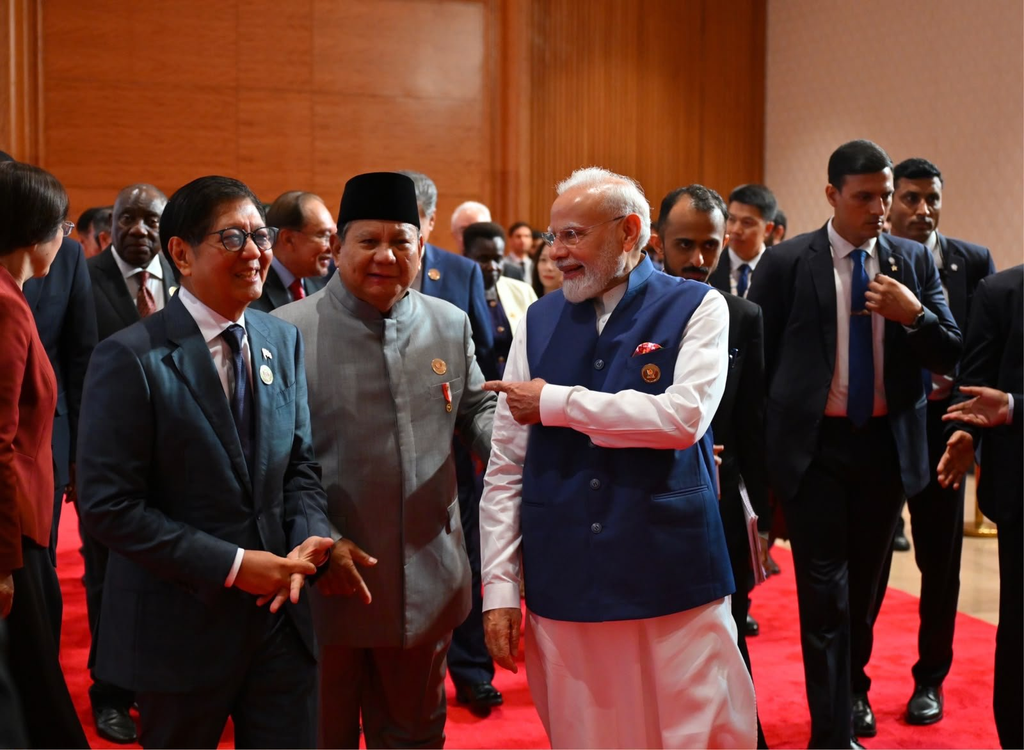
Although BRICS declarations shape multilateral cooperation, bilateral meetings often produce the most immediate diplomatic outcomes.
The PM Modi BRICS Bilateral Meetings allowed India to address country-specific priorities while strengthening long-term partnerships. Each discussion reflected India’s broader foreign policy approach of maintaining strategic autonomy while expanding cooperation with countries across different regions.
Furthermore, the meetings reinforced India’s image as a trusted partner capable of engaging constructively with nations that have diverse political systems and strategic interests.
A Diplomatic Marathon Beyond the BRICS Summit 2026
The BRICS Summit was not only about speeches and declarations. It also became one of India’s busiest diplomatic engagements in recent years.
Through a packed schedule of bilateral meetings, Prime Minister Modi advanced cooperation in trade, defence, energy, technology, infrastructure, education, and regional security. More importantly, these discussions demonstrated India’s commitment to building practical partnerships that extend beyond multilateral forums.
As global geopolitics continues to evolve, the outcomes of these bilateral engagements are expected to influence India’s relationships with key partners well beyond the BRICS Summit 2026.