
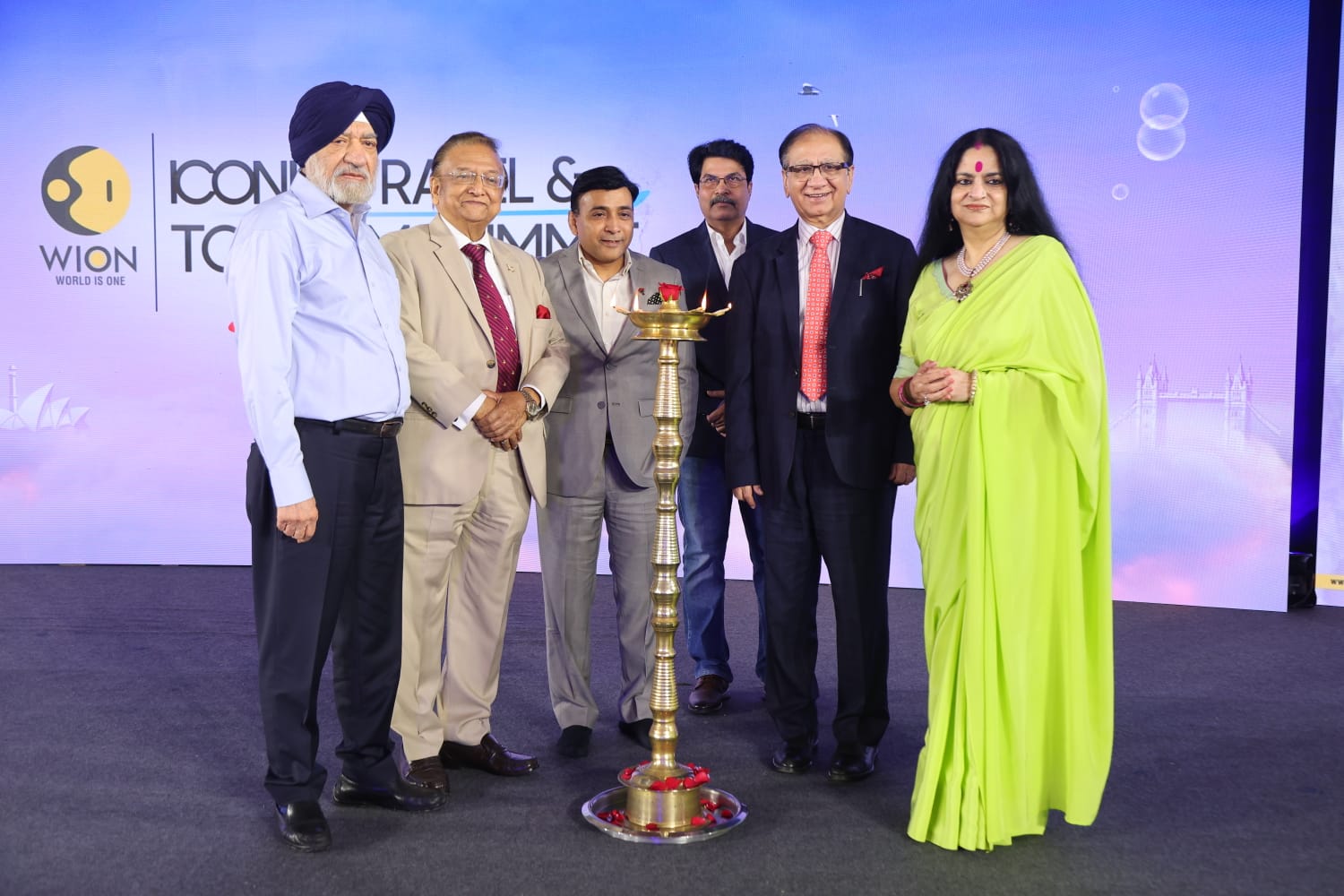
The WION ICONIC Travel & Tourism Summit 2026 brought together some of the most influential voices from the travel, aviation, hospitality, and tourism sectors to discuss the future of global tourism. Held at ITC Maurya, New Delhi, the summit focused on the theme “Tourism 4.0: Coding the Resilience of the New Tomorrow.”
Organised by Red Hat Communications in association with Zee Network, the event served as a platform for policymakers, diplomats, tourism leaders, hospitality professionals, and technology experts to explore how innovation and collaboration can shape the next phase of tourism growth.
As the tourism industry adapts to changing traveller expectations, digital transformation, and sustainability goals, the summit offered valuable insights into the opportunities and challenges that lie ahead.
Tourism 4.0 and the Changing Landscape of Global Travel
The travel industry is undergoing rapid transformation. Today’s travellers expect seamless, personalised, and technology-driven experiences. At the same time, businesses must respond to evolving consumer behaviour, environmental concerns, and economic uncertainty.
The discussions at the WION ICONIC Travel & Tourism Summit 2026 reflected these realities. Industry leaders agreed that the future of tourism will depend on the successful integration of technology, sustainability, and human expertise.
More importantly, speakers highlighted the need for resilience. As global travel continues to recover and expand, destinations and businesses must be prepared to adapt quickly to changing conditions.
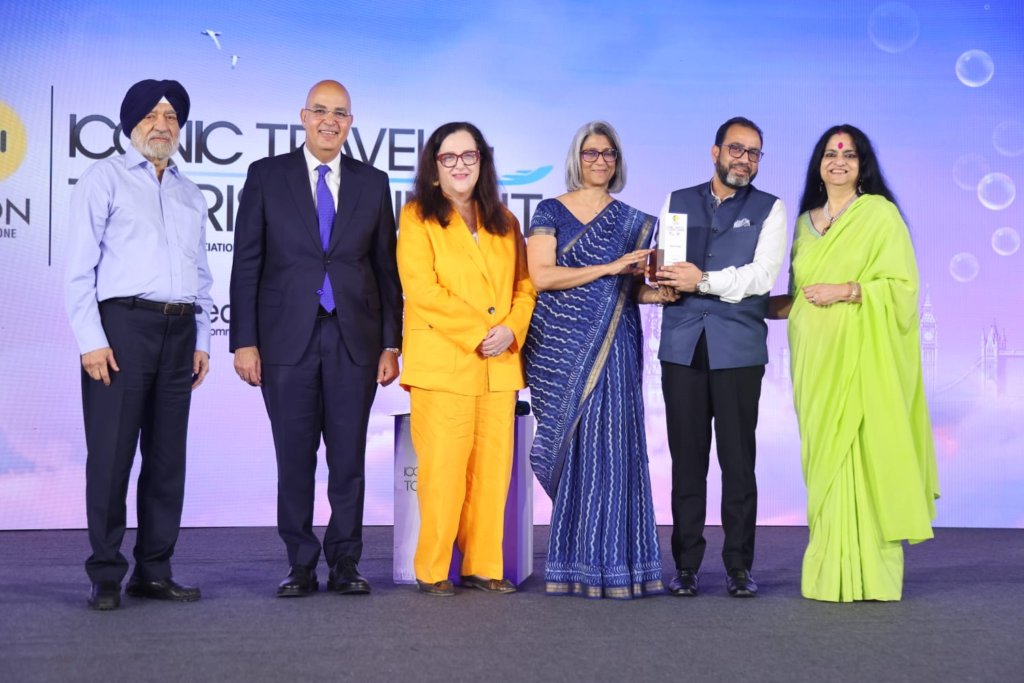
Building a Future-Ready Tourism Ecosystem
Technology, Skills and Sustainability at the Core
One of the key themes of the summit was the growing connection between tourism, hospitality, aviation, technology, and public policy.
Experts noted that artificial intelligence, digital infrastructure, workforce development, and sustainable practices are becoming essential drivers of tourism competitiveness. These factors are no longer optional. They are increasingly central to long-term growth.
The conversations also highlighted how digital innovation is helping tourism businesses improve customer experiences while increasing operational efficiency.
Industry Collaboration Will Shape the Future
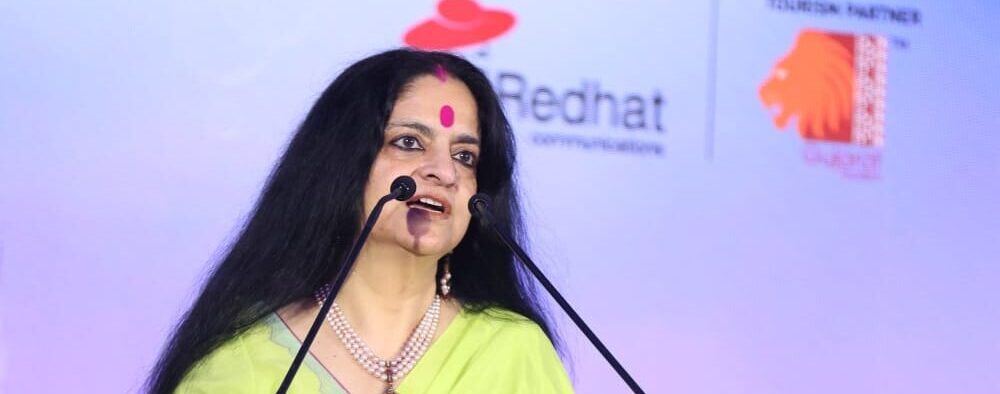
Addressing the gathering, Jyoti Mayal, Chairperson of the Tourism & Hospitality Skill Council (THSC) and CEO of Red Hat Communications, emphasised the importance of collective action across the tourism value chain.
She stressed the need for stronger partnerships between government bodies, industry stakeholders, educational institutions, and technology providers. According to her, collaboration and skill development will play a critical role in preparing the sector for future opportunities.
Her message resonated throughout the summit and reinforced a common belief that India’s tourism ambitions can only be achieved through coordinated efforts.
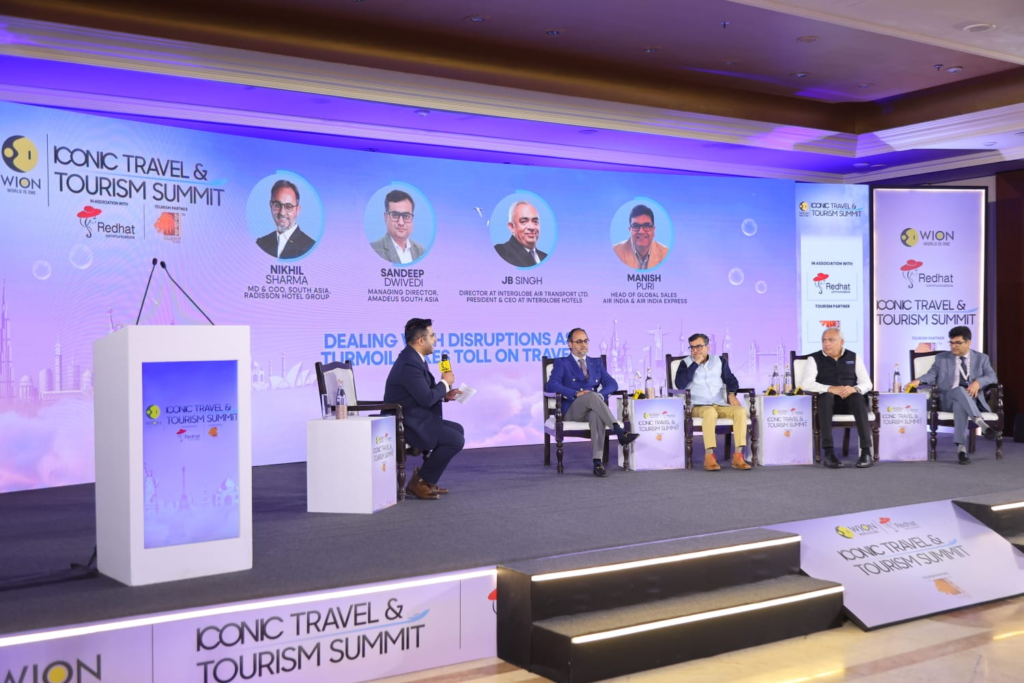
WION ICONIC Travel & Tourism Summit 2026 Brings Together Industry Leaders
The summit featured a distinguished lineup of leaders representing major organisations across the travel and hospitality ecosystem.
Executives from hotel groups, airlines, travel technology companies, destination management firms, and tourism marketing organisations participated in discussions on the future of global travel.
The sessions explored several important topics, including:
- Changing traveller preferences
- Emerging international tourism markets
- Digitalisation of customer experiences
- Aviation connectivity and infrastructure
- Sustainable tourism strategies
- Destination competitiveness
Among the prominent organisations represented were Radisson Hotel Group, InterGlobe Hotels, Air India, Amadeus, Accor, VFS Global, MakeMyTrip, Le Méridien New Delhi, and Tourism Corporation of Gujarat.
Their insights reflected how businesses are adapting to an increasingly digital and competitive tourism environment.
Innovation Must Be Matched by Resilience
A recurring theme throughout the summit was that innovation alone is not enough.
While technology can improve efficiency and customer engagement, long-term success depends on how effectively businesses respond to changing traveller expectations and global disruptions.
Industry experts emphasised that resilience must remain a core component of tourism planning and destination management.
Strengthening Global Tourism Partnerships
International cooperation emerged as another major focus area during the summit.
Senior diplomatic representatives from Egypt, Sri Lanka, and Greece participated in discussions on tourism promotion, cultural exchange, and international collaboration.
Their presence highlighted the growing importance of cross-border partnerships in expanding tourism opportunities and strengthening global connectivity.
As countries compete for international visitors, collaboration is becoming increasingly important. Partnerships can help improve destination visibility, encourage investment, and create stronger tourism networks.
Why International Collaboration Matters
Global tourism is no longer limited by geographical boundaries. Travellers now have access to more destinations and information than ever before.
This makes cooperation between countries essential for attracting visitors, improving travel experiences, and creating sustainable growth opportunities.
The summit demonstrated how shared knowledge and collaborative strategies can benefit both emerging and established tourism destinations.
Human Capital Remains the Industry’s Greatest Strength
Skills Development in the Age of Tourism 4.0
While technology dominated many discussions, speakers consistently highlighted the importance of human capital.
Hospitality professionals, tour operators, aviation personnel, destination managers, and tourism entrepreneurs remain the backbone of the industry. Their skills and expertise directly influence visitor experiences.
Industry leaders stressed that workforce readiness will be one of the most important factors determining future success.
Investing in training and professional development can help businesses meet evolving market demands while improving service quality.
Supporting India’s Tourism Growth Ambitions
The emphasis on skilling aligns closely with India’s broader vision of becoming a leading global tourism destination.
A well-trained workforce can strengthen the country’s tourism competitiveness while creating employment opportunities across multiple sectors.
Participants agreed that technology and talent must advance together for sustainable growth.
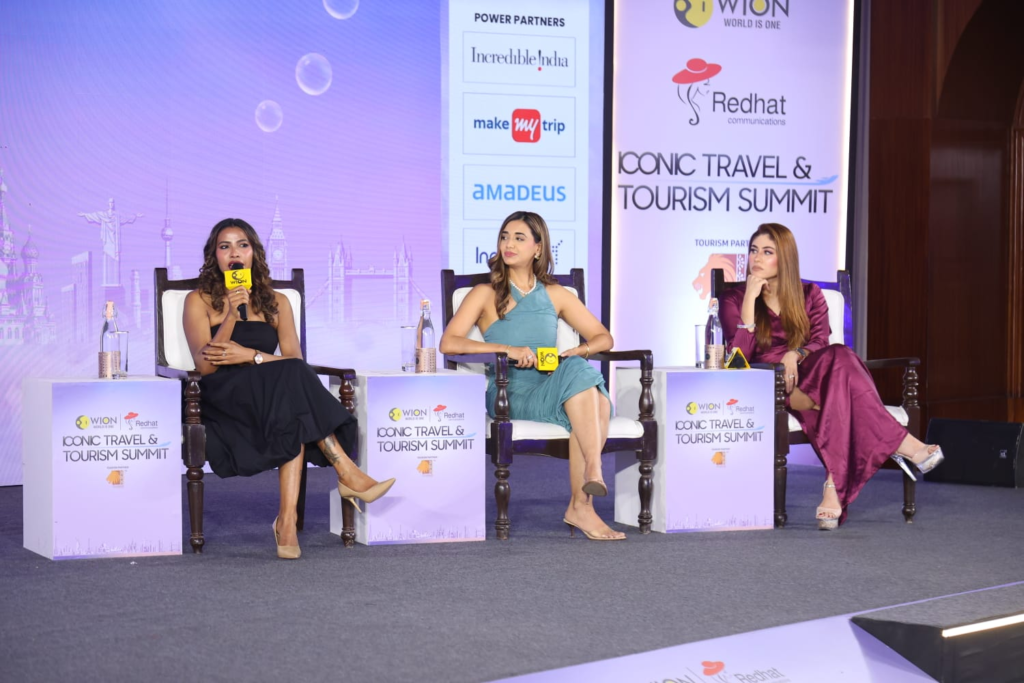
New Perspectives on Travel and Tourism
The summit also explored how travel behaviour is evolving in the digital age.
A special session featuring women travel content creators examined the realities of solo female travel and the growing influence of social media on tourism decisions.
The discussion focused on destination discovery, traveller safety, digital storytelling, and the opportunities available to women travellers today.
Speakers also explored how content creators are shaping tourism narratives and influencing travel choices for millions of consumers.
Their role in promoting destinations has become increasingly important in a highly connected world.
Leadership Insights from Ashwani Lohani
Another notable session featured a fireside conversation with Ashwani Lohani, Director of the Prime Minister’s Museum and Library.
The discussion provided valuable perspectives on leadership, tourism development, and India’s evolving cultural landscape.
Attendees gained insights into the role that heritage, culture, and governance can play in strengthening tourism experiences.
The Road Ahead for India’s Tourism Industry
The WION ICONIC Travel & Tourism Summit 2026 highlighted a tourism sector entering a new era of transformation.
Technology, sustainability, workforce development, and international cooperation emerged as the key pillars that will shape the industry’s future. At the same time, the summit reinforced the need for resilience and adaptability.
The conversations made one thing clear: the future of tourism will not be driven by technology alone. Success will depend on collaboration, skilled professionals, destination readiness, and the ability to deliver meaningful experiences.
With participation from policymakers, industry leaders, diplomats, and innovators, the summit concluded on an optimistic note. India’s tourism story is entering an exciting new phase, and the challenge now is to translate ideas into action.
As Tourism 4.0 continues to evolve, the country’s travel and hospitality ecosystem appears well-positioned to seize new opportunities and compete on the global stage.