
The India-New Zealand Strategic Partnership marks a significant milestone in the relationship between the two democracies. During Prime Minister Narendra Modi’s visit to New Zealand in July 2026, both countries agreed to elevate their bilateral ties and expand cooperation across several strategic sectors. The visit, which came after four decades since the last visit by an Indian Prime Minister, reflected a renewed commitment to long-term collaboration in an evolving Indo-Pacific region.
More importantly, the visit moved beyond ceremonial diplomacy. It produced a clear roadmap for cooperation in trade, defence, education, technology, renewable energy, tourism, and maritime security. As a result, it has become one of the most consequential diplomatic engagements between the two nations in recent years.
A Historic Visit That Reset Bilateral Relations
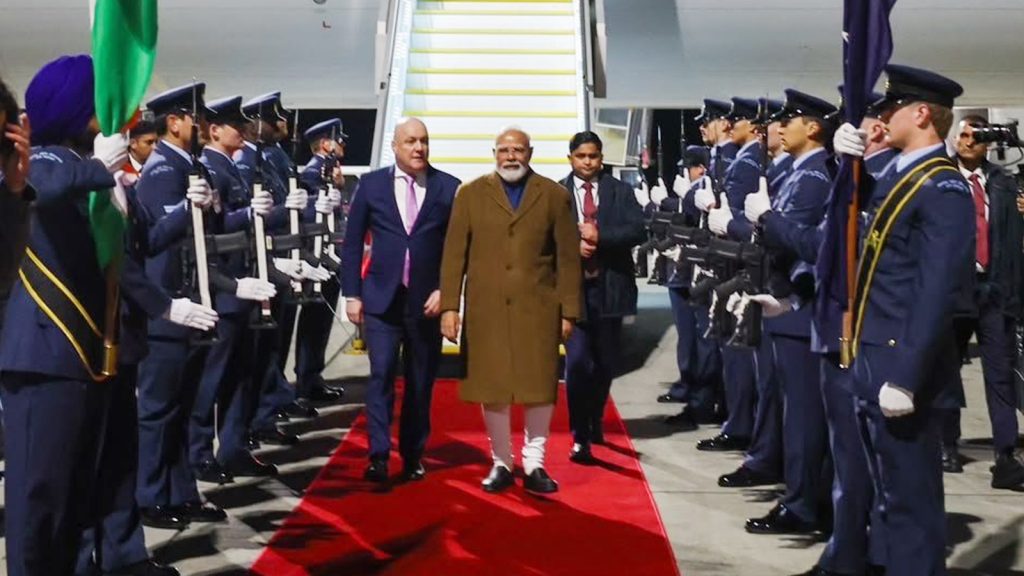
Prime Minister Narendra Modi arrived in Auckland on 10 July 2026 at the invitation of New Zealand Prime Minister Christopher Luxon. The visit formed the final leg of his three-nation diplomatic tour after Indonesia and Australia. Although the itinerary included official ceremonies and meetings, its primary objective was much broader. Both governments aimed to redefine bilateral relations through deeper strategic and economic engagement.
The visit began with a traditional Māori welcome and a ceremonial Guard of Honour. Soon afterwards, the two leaders held extensive discussions covering defence, trade, education, agriculture, innovation, tourism, renewable energy, maritime security, and technology. Consequently, the discussions highlighted the growing scope for cooperation between the two countries.
Strategic Partnership Takes Centre Stage
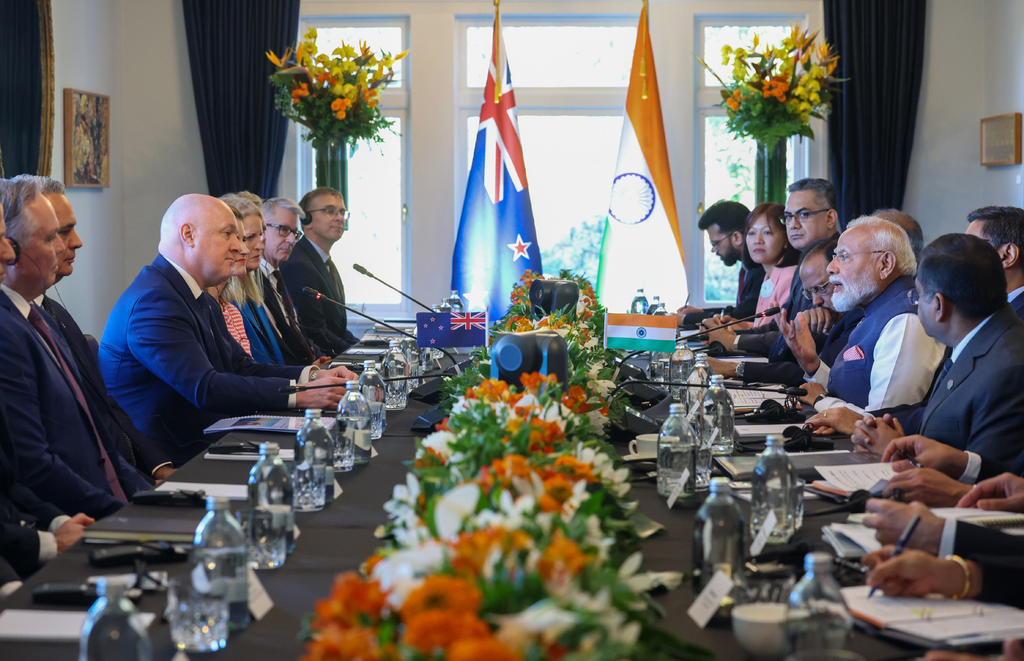
One of the biggest outcomes of the visit was the decision to elevate bilateral ties to a Strategic Partnership. This development demonstrates a shared commitment to addressing regional and global challenges through closer cooperation. For India, stronger partnerships in the Indo-Pacific remain an important pillar of foreign policy. Meanwhile, New Zealand sees India as one of the world’s fastest-growing major economies and an increasingly important strategic partner.
The agreement is expected to strengthen collaboration across multiple sectors. These include defence and security, critical minerals, technology and innovation, education, people-to-people exchanges, and Indo-Pacific cooperation. Together, these areas provide a comprehensive framework for future engagement between the two nations.
Economic Cooperation Receives Fresh Momentum
Economic collaboration remained at the heart of the bilateral discussions. Both leaders reaffirmed their commitment to expanding trade and encouraging greater investment between businesses in both countries. They also expressed confidence that commercial relations could grow significantly in the coming years.
Furthermore, both governments recognised the importance of supporting entrepreneurs, startups, and small businesses. Stronger business partnerships are expected to generate new opportunities for innovation, investment, and sustainable economic growth. Therefore, the strategic partnership extends beyond government cooperation and creates opportunities for the private sector as well.
More Than a Diplomatic Engagement
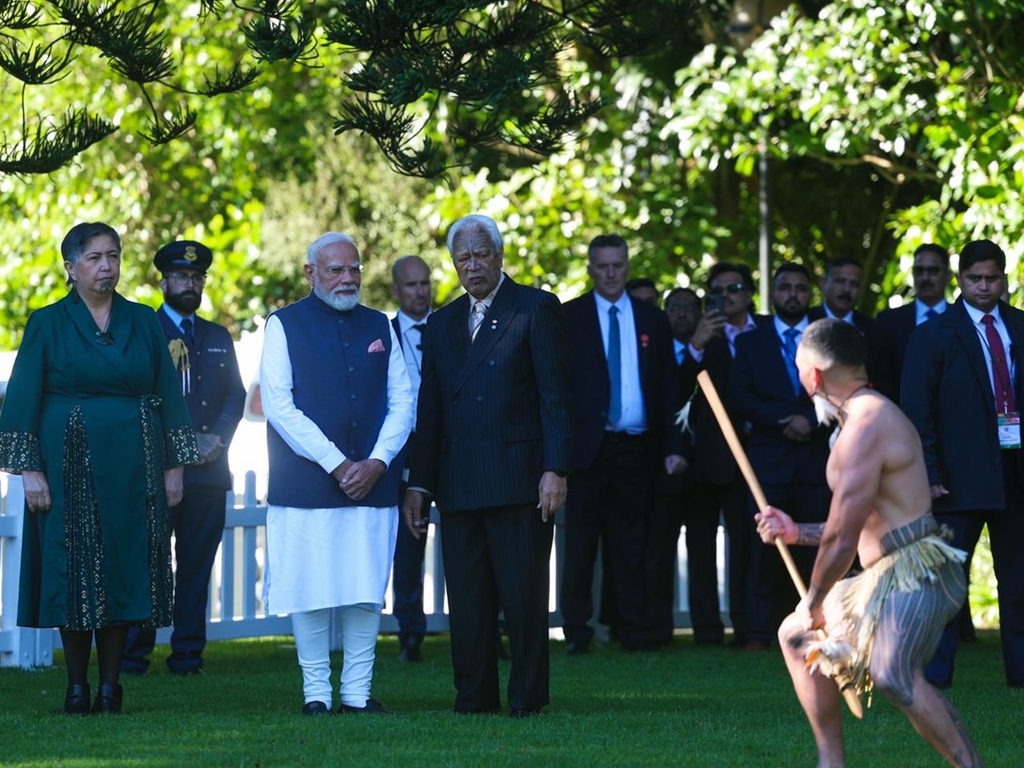
The visit stood out because it focused on more than official meetings. Alongside political discussions, it brought together business leaders, policymakers, academics, and members of the Indian diaspora. This broader engagement reflected a modern approach to diplomacy, where long-term partnerships are built through education, innovation, trade, and cultural exchanges.
The Indian community in New Zealand also continues to play a vital role in strengthening bilateral ties. Its contributions across healthcare, education, business, and public service have created lasting people-to-people connections. Consequently, these relationships have become an important foundation for future cooperation.
In addition, sectors such as tourism, research, and higher education received significant attention during the visit. These areas are expected to promote knowledge sharing, student mobility, and innovation-driven partnerships in the years ahead.
Why the Visit Matters
Although India and New Zealand differ greatly in geography and size, both countries share common interests in maritime security, sustainable development, climate resilience, and regional stability. Over time, these shared priorities have brought them closer. However, the July 2026 visit has accelerated that process by providing a clear strategic direction for future cooperation.
The visit also reflects India’s broader diplomatic strategy of strengthening partnerships across the Indo-Pacific. At the same time, it positions New Zealand as an increasingly important partner in India’s vision for regional connectivity, economic resilience, and security cooperation.
The Road Ahead
Diplomatic visits are remembered not only for the agreements they produce but also for the progress they inspire. The true success of this visit will depend on how effectively both governments implement the commitments made during the discussions. Advancing trade negotiations, strengthening institutional partnerships, and encouraging greater collaboration between businesses and educational institutions will require sustained effort from both sides.
Nevertheless, the foundation has now been laid. By elevating ties to a Strategic Partnership, India and New Zealand have signalled their intention to build a stronger, more dynamic relationship. As global priorities continue to evolve, cooperation in trade, innovation, education, defence, and regional security is expected to deepen further. Ultimately, this historic visit has opened a new chapter that could shape India-New Zealand Strategic Partnership for decades to come.