
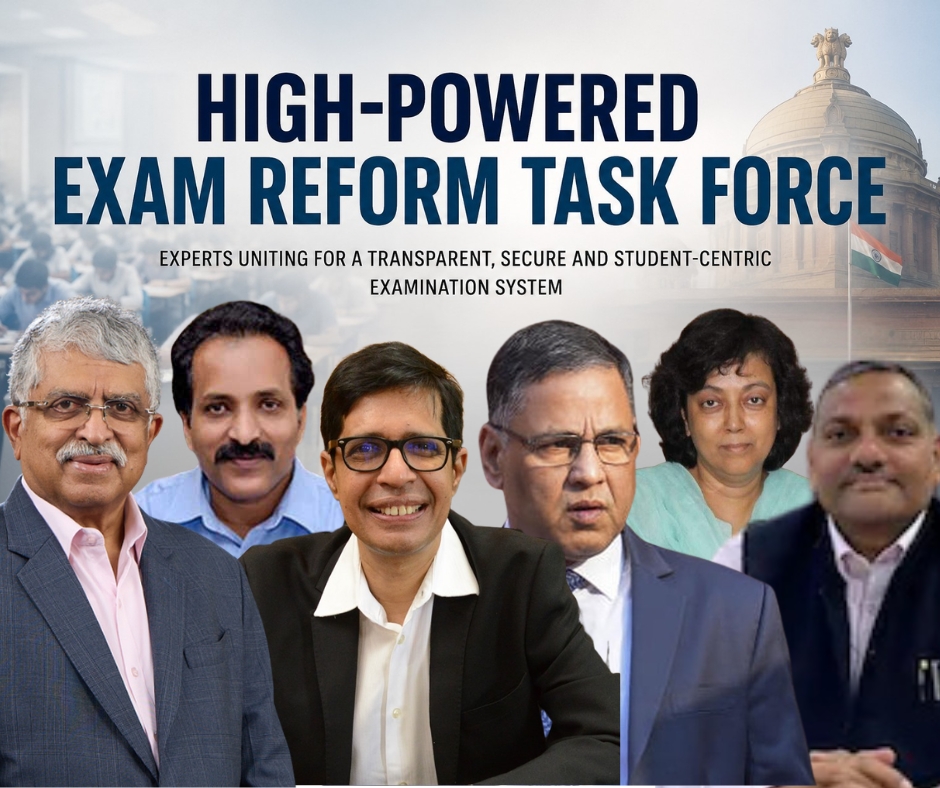
The High-Powered Exam Reform Task Force marks the Centre’s latest effort to restore trust in India’s examination system. The Government of India has constituted a six-member committee, chaired by Infosys co-founder Nandan Nilekani, to recommend structural reforms for conducting national-level examinations. The decision comes after months of public concern over examination irregularities and growing demands for a transparent, technology-driven assessment system.
The task force brings together experts from technology, education, public administration, internal security, and scientific research. Their collective experience is expected to help the government redesign examination processes and strengthen institutions responsible for conducting competitive tests. More importantly, the committee aims to recommend long-term reforms rather than temporary solutions.
For millions of students preparing for competitive examinations every year, the committee represents a significant step towards rebuilding confidence in one of the country’s most critical public systems.
Why has the High-Powered Exam Reform Task Force been formed?
The decision follows one of the most challenging periods for India’s examination ecosystem. Over the past year, allegations of paper leaks, irregularities, and administrative lapses raised serious concerns about the credibility of several national-level entrance examinations.
The controversy surrounding NEET-UG 2024 became a turning point. Reports of paper leaks, unusually high scores, and alleged malpractice triggered nationwide protests. Students, parents, education experts, and opposition parties questioned the fairness of the examination process. Consequently, demands for accountability and institutional reforms intensified across the country.
Although investigations led to multiple arrests and legal proceedings, many stakeholders argued that isolated action would not solve deeper structural issues. Instead, they called for comprehensive reforms that could prevent future lapses and improve transparency across every stage of the examination cycle.
The government responded by announcing a series of administrative measures. However, policymakers also recognised that India’s rapidly expanding examination system required a long-term roadmap backed by experts from diverse fields.
The formation of the High-Powered Exam Reform Task Force is part of that broader strategy.
A shift from crisis management to systemic reforms
Unlike previous committees that primarily reviewed specific incidents, this task force has been entrusted with examining the examination ecosystem as a whole. Its recommendations are expected to address policy, governance, technology, security, and institutional accountability.
According to the Ministry of Education, the committee will study existing examination practices and identify vulnerabilities that may compromise fairness or efficiency. It will also recommend measures to improve transparency while reducing opportunities for malpractice.
Furthermore, the task force will explore the use of advanced digital technologies, including secure examination platforms, artificial intelligence, data analytics, and cybersecurity frameworks. These technologies could help strengthen question paper management, candidate verification, examination logistics, and result processing.
The government also expects the committee to recommend stronger institutional mechanisms that improve coordination between examination agencies, educational institutions, law enforcement authorities, and technology partners.
Why this committee matters
India conducts some of the world’s largest competitive examinations every year. Millions of candidates appear for entrance tests such as NEET, JEE, CUET, UGC-NET, and several recruitment examinations. Even minor administrative failures can affect the academic and professional future of thousands of students.
Therefore, examination reforms have become a national priority rather than an administrative exercise.
The newly constituted committee reflects a multidisciplinary approach. Instead of relying solely on education administrators, the government has included leaders from technology, cybersecurity, scientific research, intelligence, and public policy. This combination suggests that future reforms will focus not only on education but also on digital governance, institutional resilience, and national security.
The committee is expected to submit recommendations covering technological safeguards, governance reforms, institutional accountability, and best practices for conducting secure, transparent, and student-centric examinations.
What comes next?
The government’s announcement has generated significant interest because of the distinguished professionals chosen for the committee. Each member brings decades of experience in a specialised field, ranging from digital public infrastructure and space technology to education administration and internal security.
In the next section, we take a closer look at each member of the High-Powered Exam Reform Task Force, their professional achievements, and why their expertise could play a crucial role in shaping the future of India’s examination system.
Meet the experts behind the High-Powered Exam Reform Task Force
One of the committee’s biggest strengths is its multidisciplinary composition. Rather than limiting the panel to education officials, the government has brought together leaders from technology, public administration, national security, scientific research, and higher education.
This diverse expertise is expected to help the committee recommend reforms that are practical, technology-driven, and future-ready.
Nandan Nilekani: Driving digital transformation
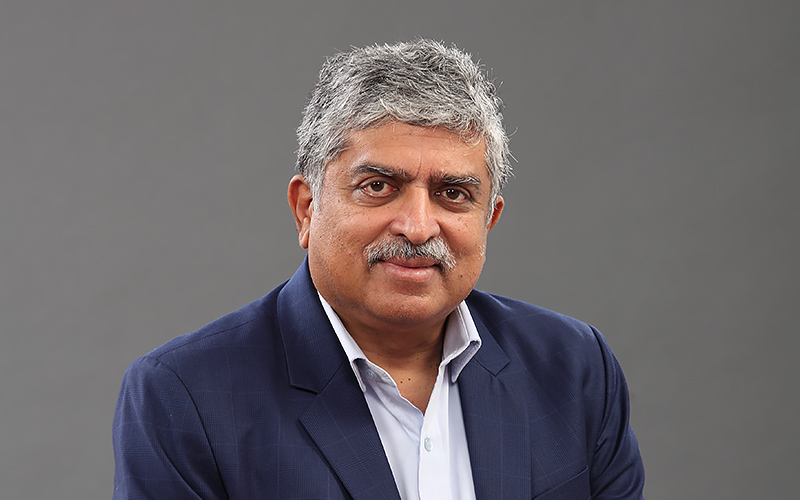
The High-Powered Exam Reform Task Force is chaired by Nandan Nilekani, co-founder and Chairman of Infosys. He is widely regarded as one of India’s foremost technology leaders and is best known for leading the Unique Identification Authority of India (UIDAI), which implemented the Aadhaar programme.
Over the past two decades, Nilekani has played a pivotal role in building India’s Digital Public Infrastructure. His work has influenced platforms such as Aadhaar, UPI, DigiLocker, and several digital governance initiatives.
His experience in designing secure, large-scale digital systems makes him an ideal choice to lead examination reforms. The government expects him to recommend technology-based solutions that improve transparency, strengthen candidate authentication, and reduce opportunities for malpractice.
His leadership also signals that future examination reforms will place significant emphasis on digital innovation and scalable public infrastructure.
Dr. S. Somanath: Bringing scientific precision
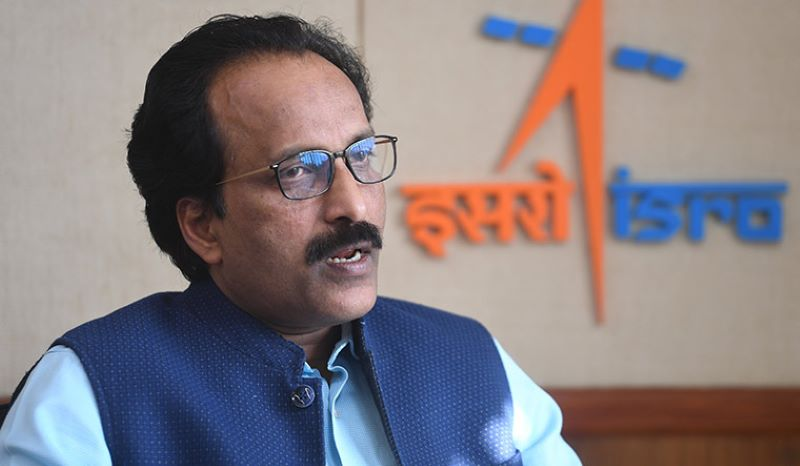
Former ISRO Chairman Dr. S. Somanath is another key member of the committee. During his tenure, ISRO successfully executed several landmark missions, including the historic Chandrayaan-3 lunar landing and the launch of the Aditya-L1 solar mission.
Dr. Somanath has decades of experience managing complex scientific projects where precision, accuracy, and risk management are essential. These qualities are equally important while designing examination systems that must serve millions of students fairly.
His expertise is expected to help the committee develop robust operational frameworks, improve process reliability, and strengthen quality assurance mechanisms across examination agencies.
Tapan Deka: Strengthening examination security
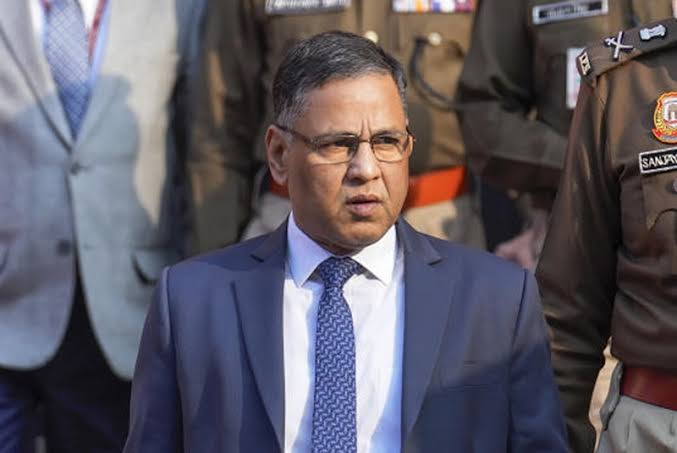
Security remains one of the biggest concerns surrounding competitive examinations. To address this challenge, the government has included Tapan Deka, Director of the Intelligence Bureau (IB), in the task force.
Deka has extensive experience in intelligence gathering, national security, and counter-terrorism operations. His understanding of organised crime networks and information security will be valuable in identifying vulnerabilities that enable paper leaks and examination fraud.
His presence reflects the government’s intention to treat examination malpractice not merely as an administrative issue but also as a serious security challenge. The committee is expected to recommend stronger surveillance systems, intelligence coordination, and preventive mechanisms against organised cheating networks.
Prof. V. Kamakoti: Integrating artificial intelligence and cybersecurity
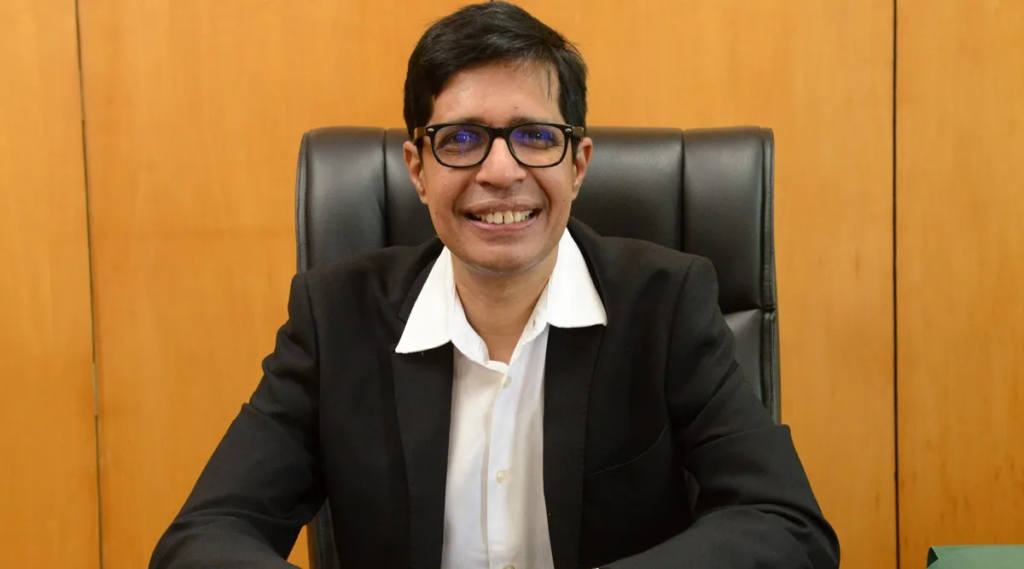
Prof. V. Kamakoti, Director of IIT Madras, represents India’s premier technical education ecosystem. He is an internationally recognised researcher in computer science, cybersecurity, artificial intelligence, and processor architecture.
His expertise will help the committee evaluate how emerging technologies can improve examination management. Artificial intelligence can detect unusual examination patterns, while advanced cybersecurity measures can strengthen digital platforms used for question paper storage, candidate registration, and result processing.
Prof. Kamakoti’s contribution is also expected to guide the development of secure digital examination ecosystems that remain resilient against cyber threats.
Anita Karwal: An experienced education administrator
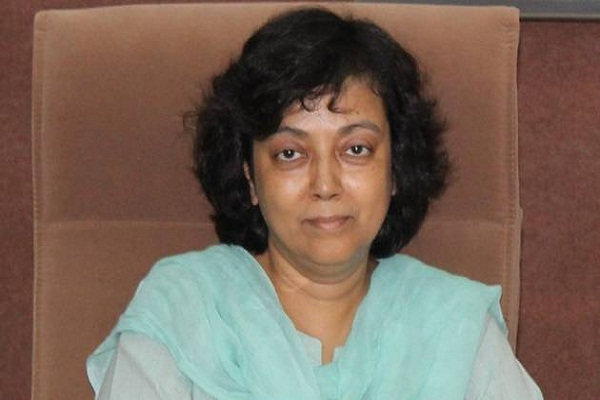
Former School Education Secretary Anita Karwal brings deep administrative experience to the committee. She previously served as Chairperson of the Central Board of Secondary Education (CBSE) and has played an important role in shaping school education policies across the country.
Her extensive understanding of curriculum, examination administration, and educational governance gives the committee valuable institutional insight.
Karwal is expected to help balance technological reforms with practical implementation. Her experience ensures that recommendations remain student-centric while also addressing the operational realities faced by examination authorities and educational institutions.
Amrit Lal Meena: Bridging policy and implementation
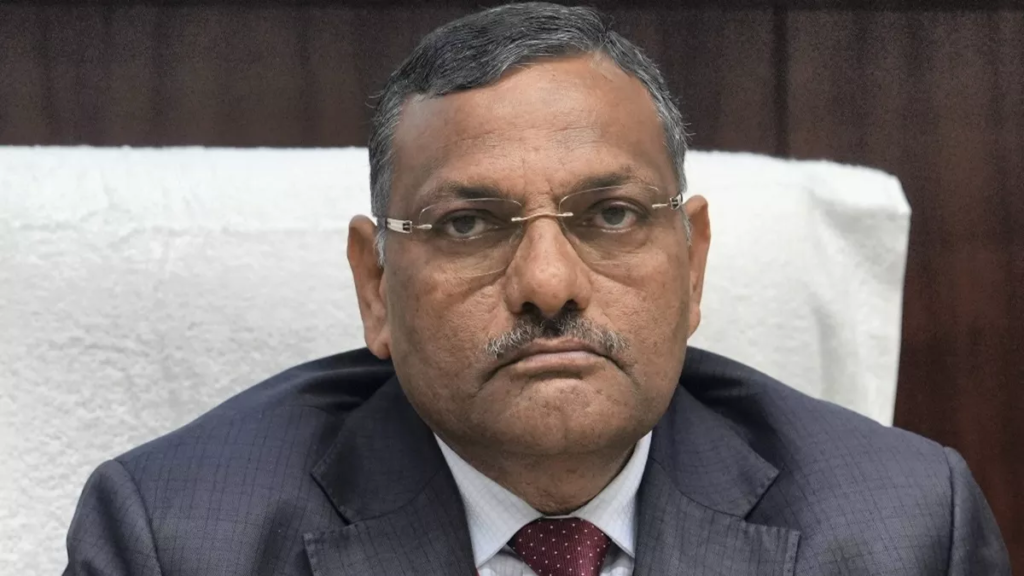
The sixth member, Amrit Lal Meena, currently serves as Secretary, Department of Higher Education, Ministry of Education. As a senior IAS officer, he has extensive experience in policy formulation and public administration.
Unlike external experts, Meena provides an important institutional perspective from within the government. His knowledge of administrative processes will help translate the committee’s recommendations into implementable policy measures.
His role will also be crucial in coordinating future reforms across ministries, examination agencies, universities, and state governments.
Why this combination of experts stands out
Each member of the committee contributes a distinct area of expertise. Together, they represent technology, education, governance, science, cybersecurity, intelligence, and public policy.
This multidisciplinary approach is particularly significant because India’s examination challenges extend beyond paper leaks. The system requires stronger governance, secure digital infrastructure, better coordination among institutions, improved accountability, and greater public trust.
By bringing together leaders from diverse domains, the government has indicated that the proposed reforms will likely address the examination ecosystem as a whole rather than focusing on isolated incidents.
The committee’s recommendations are expected to influence the future functioning of national testing agencies, examination boards, and recruitment bodies. Consequently, the reforms could affect millions of students appearing for competitive examinations every year.
With such experienced professionals at the helm, expectations remain high that the High-Powered Exam Reform Task Force will recommend practical, technology-driven, and sustainable reforms capable of restoring confidence in India’s examination system.
What reforms can students expect?
While the committee is yet to submit its recommendations, its Terms of Reference indicate that the reforms will go far beyond addressing isolated cases of paper leaks. Instead, the government aims to build an examination ecosystem that is secure, transparent, efficient, and capable of meeting future challenges.
One of the committee’s primary priorities will be strengthening the functioning of the National Testing Agency (NTA), which conducts several major entrance examinations, including NEET-UG, CUET, and UGC-NET. Experts are expected to review existing operational processes and recommend measures to improve governance, accountability, and institutional capacity.
The task force is also likely to recommend advanced technological safeguards. These may include stronger encryption for question papers, AI-powered monitoring systems, improved candidate verification, secure digital infrastructure, and real-time surveillance to detect suspicious activities.
Another important area will be coordination among government agencies. Examination security involves multiple stakeholders, including testing agencies, educational institutions, law enforcement bodies, cybersecurity experts, and state administrations. The committee is expected to suggest mechanisms that improve communication and ensure faster responses to potential security breaches.
In addition, the committee may recommend reforms that enhance transparency for students. Clearer grievance redressal systems, better communication during examinations, timely disclosure of information, and standardised operating procedures could help rebuild public confidence in national examinations.
Why these reforms matter
India’s competitive examination system serves as the gateway to higher education and public employment for millions of young people. Every year, candidates invest years of preparation, significant financial resources, and immense emotional effort in pursuit of educational and career opportunities.
When questions arise about the integrity of these examinations, public confidence is inevitably affected. Therefore, restoring trust is as important as improving administrative efficiency.
The formation of the High-Powered Exam Reform Task Force demonstrates the government’s recognition that examination reforms require both technological innovation and institutional accountability. Rather than relying on temporary corrective measures, the committee has been entrusted with developing a long-term roadmap that strengthens every stage of the examination process.
Its recommendations could shape the future of not only NEET and CUET but also JEE, UGC-NET, recruitment examinations, and other national-level assessments conducted across the country.
The road ahead
The committee is expected to submit its recommendations to the Ministry of Education after a comprehensive review of existing examination practices. The government will then examine these recommendations before deciding on their implementation.
Although meaningful reforms will require time, the constitution of this high-powered panel marks an important step towards modernising India’s examination ecosystem. The committee’s multidisciplinary composition also reflects an understanding that examination security today extends beyond education policy and includes technology, cybersecurity, governance, and public administration.
The success of the initiative will ultimately depend on how effectively the recommendations are translated into policy and implemented across institutions. If executed well, these reforms could significantly improve transparency, strengthen institutional credibility, and restore the confidence of millions of students.
The creation of the High-Powered Exam Reform Task Force represents one of the most significant policy initiatives in India’s education sector in recent years. By bringing together experts from technology, science, education, intelligence, and public administration, the government has adopted a comprehensive approach to addressing challenges that have affected the credibility of competitive examinations.
For students, the committee offers hope for a more secure, transparent, and accountable examination system. For policymakers, it provides an opportunity to build long-term institutional reforms rather than short-term responses to individual controversies.
As the committee begins its work under the leadership of Nandan Nilekani, its recommendations will be closely watched by students, educators, examination agencies, and governments across the country. Their findings could shape the future of India’s examination framework for years to come.