
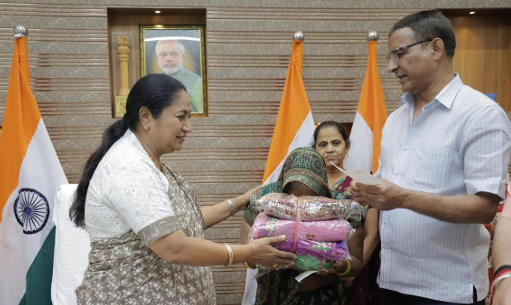
Vikesh Sethi believes that leadership is measured not only by public office or professional success. It’s also measured by the lives it transforms. Through his “Gift of Dignity” initiative, the Chairman of Avas Wellness Group has extended meaningful support to widowed mothers, demonstrating how compassion can become a powerful force for social change. Rather than offering one-time assistance, the initiative focuses on restoring dignity, confidence, and hope to women navigating difficult circumstances.
At a time when discussions around leadership often revolve around policies and politics, this initiative highlights another equally important dimension—human empathy. More importantly, it reminds us that lasting change begins when individuals choose to support those who need it most.
Looking Beyond Charity
Many social initiatives focus primarily on financial assistance. However, Vikesh Sethi‘s approach places equal importance on dignity and emotional support. The initiative recognises that widowed mothers often face challenges that extend beyond economic hardship. They must also overcome social isolation, uncertainty, and the responsibility of raising children alone.
Therefore, the objective is not simply to provide help. Instead, it is to empower women by assuring them that society stands beside them during one of life’s most difficult phases. This perspective transforms charity into meaningful social responsibility.
Why Dignity Matters
Financial assistance can address immediate needs. Nevertheless, dignity restores confidence.
Widowed mothers frequently shoulder the responsibility of managing households, supporting their children, and rebuilding their lives after personal loss. Consequently, compassionate support can have a lasting impact that extends far beyond financial relief.
The Gift of Dignity initiative acknowledges this reality. By recognising the emotional and social dimensions of hardship, it seeks to preserve self-respect while encouraging resilience.
Leadership Beyond Public Recognition
Public figures are often remembered for the infrastructure they create, the policies they advocate, or the organisations they lead. Yet leadership can also be measured by the ability to inspire communities through empathy.
According to the magazine feature, Vikesh Sethi demonstrates that social leadership is not limited to governance or institutional responsibility. Instead, it is reflected in personal commitment to improving lives and encouraging collective action for the greater good.
This approach broadens the meaning of leadership. It suggests that meaningful influence comes from building trust, strengthening communities, and creating opportunities for people to regain confidence in themselves.
A Message for Society
The initiative also sends a wider message about community responsibility. Social challenges cannot always be addressed by governments alone. Individuals, businesses, and civil society all have a role in creating supportive environments for vulnerable groups.
Furthermore, initiatives like Gift of Dignity encourage others to contribute in ways that extend beyond financial donations. Mentorship, emotional support, education, and community engagement can all become powerful tools for social transformation.
As a result, acts of compassion can inspire broader participation and create a culture where empathy becomes part of everyday leadership.
Why Stories Like These Matter
In today’s fast-moving news cycle, stories of compassion often receive less attention than political debates or economic developments. However, they remain equally important because they highlight the human side of leadership.
The Bureaucracy India feature argues that true leadership is measured not only by administrative achievements but also by the ability to bring people together for a meaningful cause. When empathy becomes the foundation of public life, leadership rises above titles and political identities.
Conclusion
The story of Vikesh Sethi is ultimately a reminder that meaningful leadership is built through consistent acts of kindness rather than public recognition. His Gift of Dignity initiative reflects the belief that helping widowed mothers is not merely an act of charity but an investment in confidence, resilience, and human dignity.
As communities continue to seek more compassionate models of leadership, initiatives like these demonstrate that real change often begins with simple yet thoughtful actions. In the end, the most enduring legacy is not created through speeches or headlines, but through lives positively transformed.