
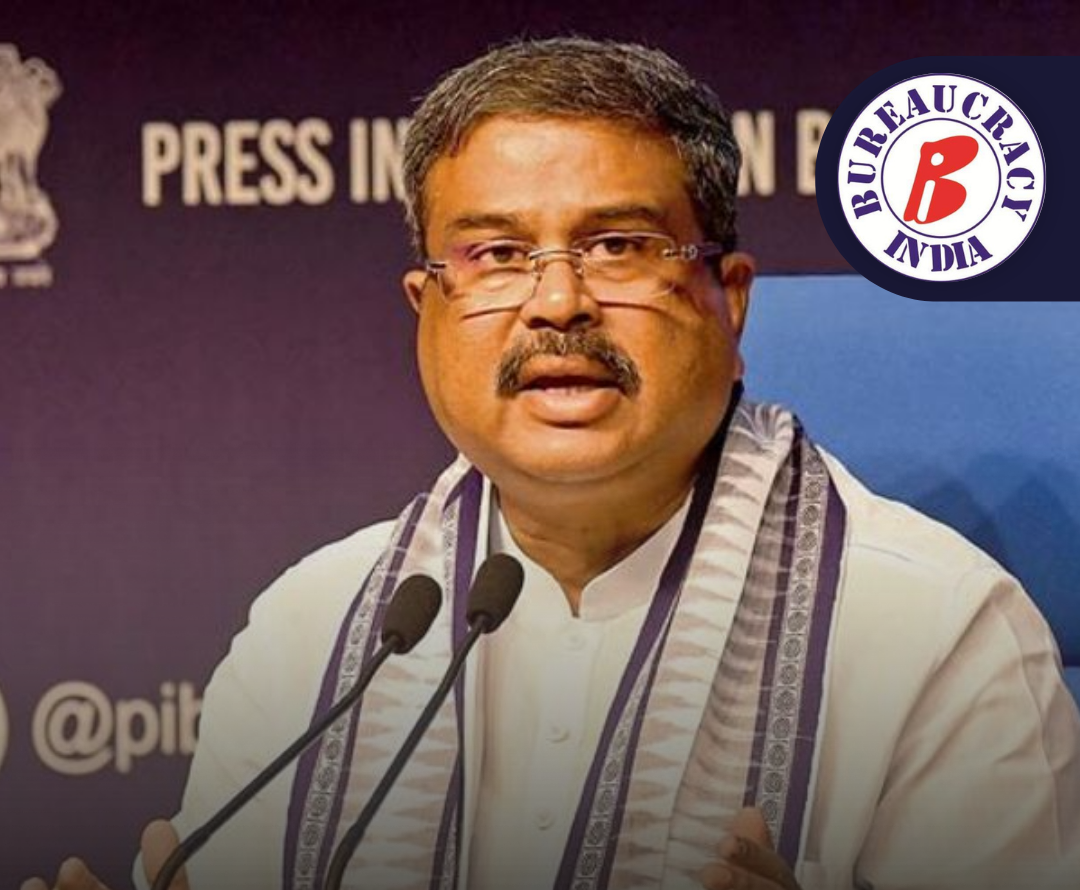
The Dharmendra Pradhan resignation has become one of the biggest political developments of the year. On July 25, Union Education Minister Dharmendra Pradhan stepped down after weeks of nationwide student protests over alleged examination irregularities, especially the NEET-UG controversy. His resignation followed sustained demonstrations at Delhi’s Jantar Mantar and growing pressure from students, civil society, and opposition parties.
The decision marks a rare instance of a Union Cabinet minister resigning amid public protests. In his resignation letter, Pradhan said he chose to step down to protect students’ interests and prevent the ongoing agitation from affecting the country’s unity and the future of young aspirants.
How the protests unfolded
The final phase of the movement witnessed several dramatic developments over the past week.
Student groups intensified their demonstrations after a march towards Parliament was stopped by police. The confrontation led to clashes, injuries, and widespread criticism over the use of force. The incident further strengthened public support for the protesters.
Soon after, representatives of the Cockroach Janta Party (CJP), which emerged as a leading voice in the movement, held discussions with BJP National President J.P. Nadda. However, the talks failed to produce a breakthrough, as student leaders maintained that the protests would continue until the Education Minister resigned.
Meanwhile, education reform activist Sonam Wangchuk ended his 26-day hunger strike after receiving written assurances from the government regarding parliamentary discussions on examination reforms. Despite ending his fast, he reiterated that the larger movement for accountability would continue.
Prime Minister Narendra Modi also appealed for calm and shared messages encouraging students to remain focused on their future while assuring action against those responsible for examination irregularities. However, demonstrations continued across several cities.
Finally, on July 25, Dharmendra Pradhan announced his resignation, bringing the immediate political chapter of the movement to a close. Celebrations broke out at Jantar Mantar as protesters described the decision as a victory for democratic participation.
What Dharmendra Pradhan said after resigning
In his public letter addressed to students, Pradhan defended the government’s handling of the examination crisis while accepting moral responsibility for the situation.
He stated that his resignation was intended to ensure students could focus on their studies without prolonged political uncertainty. He also expressed gratitude to Prime Minister Narendra Modi and reaffirmed his commitment to public service.
Why students had been protesting for weeks
The protests did not begin overnight. For several weeks, thousands of students gathered at Jantar Mantar demanding accountability over alleged paper leaks and examination mismanagement.
The movement was fuelled by concerns over transparency in national entrance examinations, repeated allegations of irregularities, and demands for structural reforms in India’s examination system. Student organisations also called for stronger anti-cheating measures, faster investigations, compensation for affected families, and greater institutional accountability.
As the protests expanded beyond Delhi, demonstrations were reported in multiple states. Civil society groups, education activists, and opposition parties gradually extended their support, turning the issue into a national debate on education governance.
What happens next?
The Dharmendra Pradhan resignation may ease immediate political pressure, but it does not conclude the larger debate surrounding India’s examination system.
Students have indicated that they will continue seeking comprehensive reforms, stronger safeguards against paper leaks, and greater transparency in competitive examinations. The Centre is also expected to take further decisions regarding administrative accountability and long-term reforms in the education sector.
For now, the resignation stands as a significant political response to one of the country’s largest student-led movements in recent years. It also highlights the growing role of sustained public participation in shaping policy discussions and government accountability.