
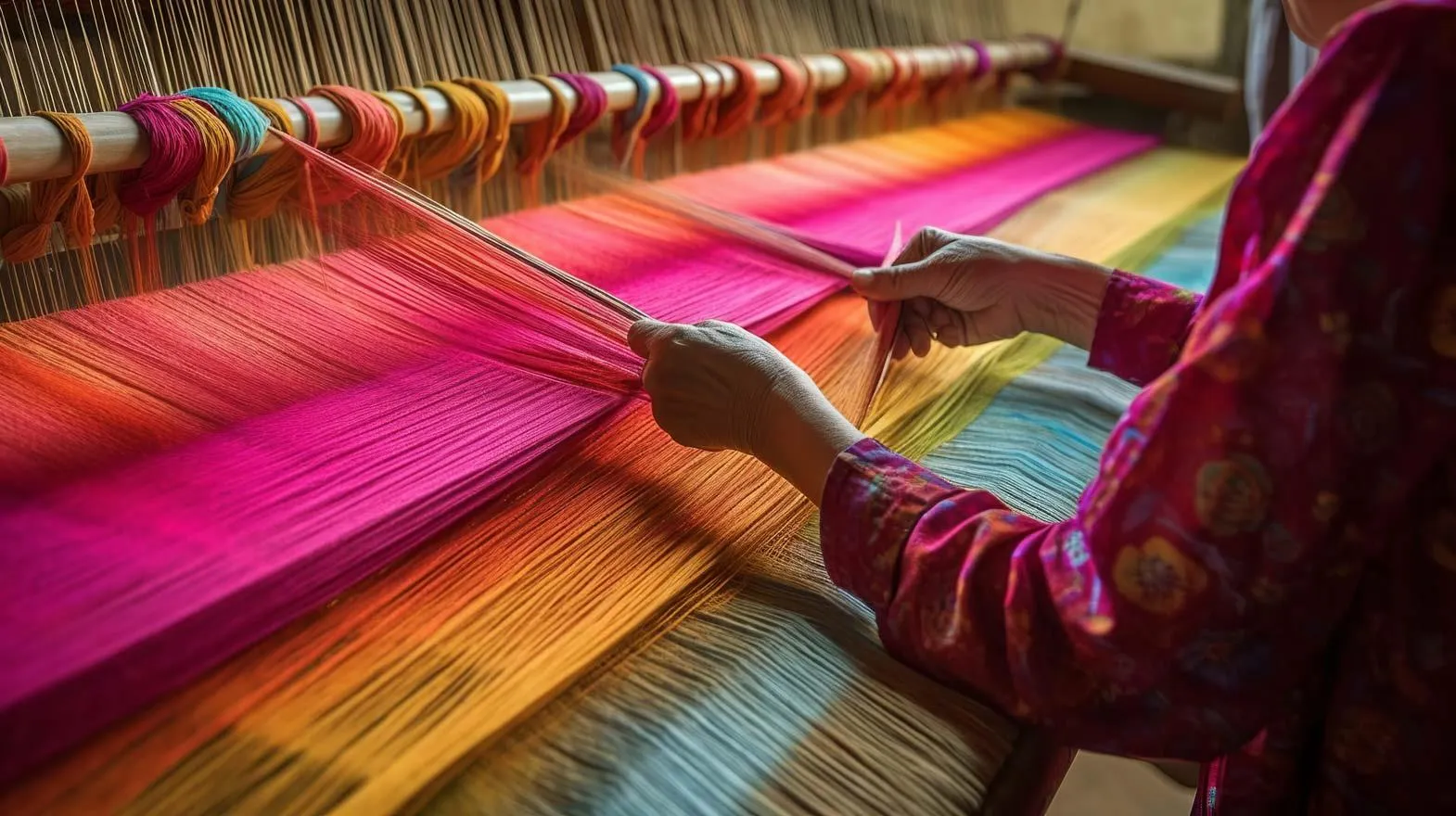
India’s Handloom Industry is one of the country’s oldest and most culturally significant sectors. It supports millions of artisans, preserves centuries-old weaving traditions, and produces fabrics admired across the world. However, despite its rich heritage, the sector has not realised its full export potential. Recent export figures show a sharp decline, highlighting the urgent need for strategic reforms that can strengthen India’s position in global textile markets.
While handloom products continue to enjoy international recognition, the industry faces several structural challenges. Therefore, improving exports requires more than preserving tradition. It demands stronger branding, better market access, policy support, and modern supply chains.
India’s Handloom Exports Have Declined Significantly
The latest export data presents a concerning picture. According to the magazine, India’s handloom exports declined from USD 516.81 million in FY 2012–13 to around USD 139 million in FY 2024–25. This sharp fall reflects both global market pressures and domestic challenges affecting the sector.
Although Indian handloom products continue to reach countries such as the United States, the UAE, the Netherlands, the United Kingdom, France, and Spain, exports remain concentrated in a limited number of markets. Consequently, the industry remains vulnerable to fluctuations in global demand.
Why Is India’s Handloom Industry Losing Momentum?
Several factors have contributed to the decline in exports. Global economic uncertainty has affected consumer demand in international markets. At the same time, intense competition from machine-made textiles and low-cost manufacturing countries has reduced India’s market share.
Domestic challenges have also played a significant role. Supply chain inefficiencies, logistical constraints, fragmented production systems, and limited international marketing have made it difficult for many artisans and small producers to compete globally. As a result, the sector has struggled to convert its craftsmanship into sustained export growth.
Heritage Alone Is Not Enough
India’s handloom products are valued for their craftsmanship, authenticity, and cultural identity. Nevertheless, heritage alone cannot guarantee commercial success in today’s competitive markets.
Consumers increasingly expect quality assurance, timely delivery, sustainable production, attractive branding, and digital accessibility. Therefore, traditional weaving skills must be complemented by modern business practices.
The article argues that India’s handloom sector should position itself not merely as a producer of textiles but as a creator of premium, heritage-based products with global appeal.
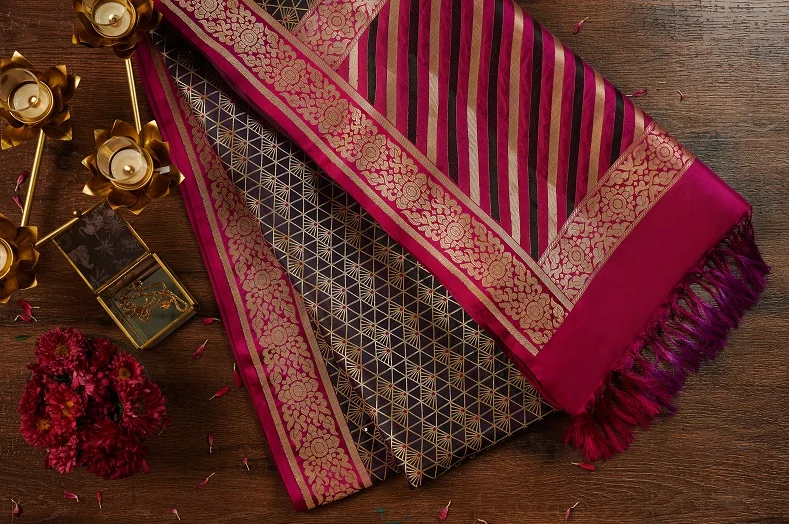
Building a Globally Competitive Handloom Sector
The magazine highlights several opportunities that could strengthen India’s Handloom Industry. Expanding into new international markets, improving product branding, adopting digital commerce, and strengthening collaborations with designers can significantly increase global visibility.
In addition, participation in international trade fairs and stronger partnerships with export promotion agencies can help Indian handloom brands reach new buyers. Better packaging, geographical indication (GI) promotion, and storytelling around traditional crafts can also enhance product value.
Furthermore, sustainability has become an important advantage. Since many handloom products are produced using environmentally friendly methods, they align well with growing global demand for ethical and sustainable fashion.
Supporting Artisans Beyond Production
The success of India’s Handloom Industry ultimately depends on the artisans who preserve these traditional skills. Therefore, reforms must focus not only on exports but also on improving livelihoods.
The article emphasises the importance of skill development, financial support, digital literacy, design innovation, and easier access to markets. When artisans receive institutional support, they become better equipped to respond to changing consumer preferences while maintaining traditional craftsmanship.
Moreover, collaboration between government agencies, private enterprises, designers, and export organisations can create a stronger ecosystem for long-term growth.
A New Narrative for Indian Handloom
The article concludes that India’s handloom sector should be viewed as both a cultural asset and an economic opportunity. Instead of treating it solely as a traditional craft, policymakers and businesses must recognise its potential to generate employment, strengthen rural economies, and contribute to foreign exchange earnings.
With targeted reforms, stronger branding, and greater global outreach, India’s Handloom Industry can regain momentum in international markets. More importantly, it can ensure that India’s weaving heritage continues to create sustainable livelihoods while strengthening the country’s position in the global textile economy.